Hello Reluctant homeschoolers! You may find yourself feeling virtual kindergarten is just not working for you. So I have laid out some of the main guidelines I use. I have been a teacher in Primary and Kindergarten since 2013. These plans are my regular Full Day Kindergarten plans modified for home and what I am using with my own children.
One of the most important pieces of this, that you need to really do for yourself is goal setting. When we plan a program, we centre it around long and short term goals that are tied to the curriculum (you can see my previous article that contains the curriculum document and a video explaining how to interpret it.) Because you are only teaching your own children, the goals you set can and should be individual to your children and their needs. Where are they at right now, and what is the next step?
Does your child recognize letters? If so then you can move forward with decoding words, recognizing sight words, etc. If your child has no interest in books and doesn’t know which way it should open or that text directionality is left to right, then your goals are going to be much more simple. Just reading together and beginning letter recognition.
When you set goals they should be achievable, specific, realistic, and within the range of proximal development. So they should be challenging but not impossible. You need to spend time really assessing what your child can do. Then plan from there.
Once you know where you are at, you need to pick some long range goals (a few months) and more short term goals (for the month, or week.) You don’t need to do a ton of fancy activities, but what you focus on when reading, writing, and discussing should all tie back to those long term goals.
With that being said here is our basic schedule.
Literacy circle Details, I do not do different activities for literacy every day. The books change but the format does not. I do sometimes do a specific and preplanned craft or activity in the afternoon (math, science, art) but not every day.
There is a lot of overlap in the different sorts of play. Some children have preference for one or two over others and those choices should be respected. But occasionally we encourage them to branch out!
Meet the Ontario Kindergarten Curriculum Document. It includes everything you need to understand the approach, principles, expectations and assessment of the Kindergarten Full Day Program.
If you have opted to keep your kindergarten aged child at home during the pandemic and do not feel that remote schooling is going to work for them or you, then you may wish to consult this curriculum document while making plans to home school.
I have included a longer explanation below of how to interpret this document!
Why should you consider this document? Essentially, it lays out exactly what skills and information a child should have by the end of Kindergarten, entering grade one. So, it is very helpful to look at these expectations when planning your long range and short range goals for teaching at home. That way your child will be up to speed when they go back to school!
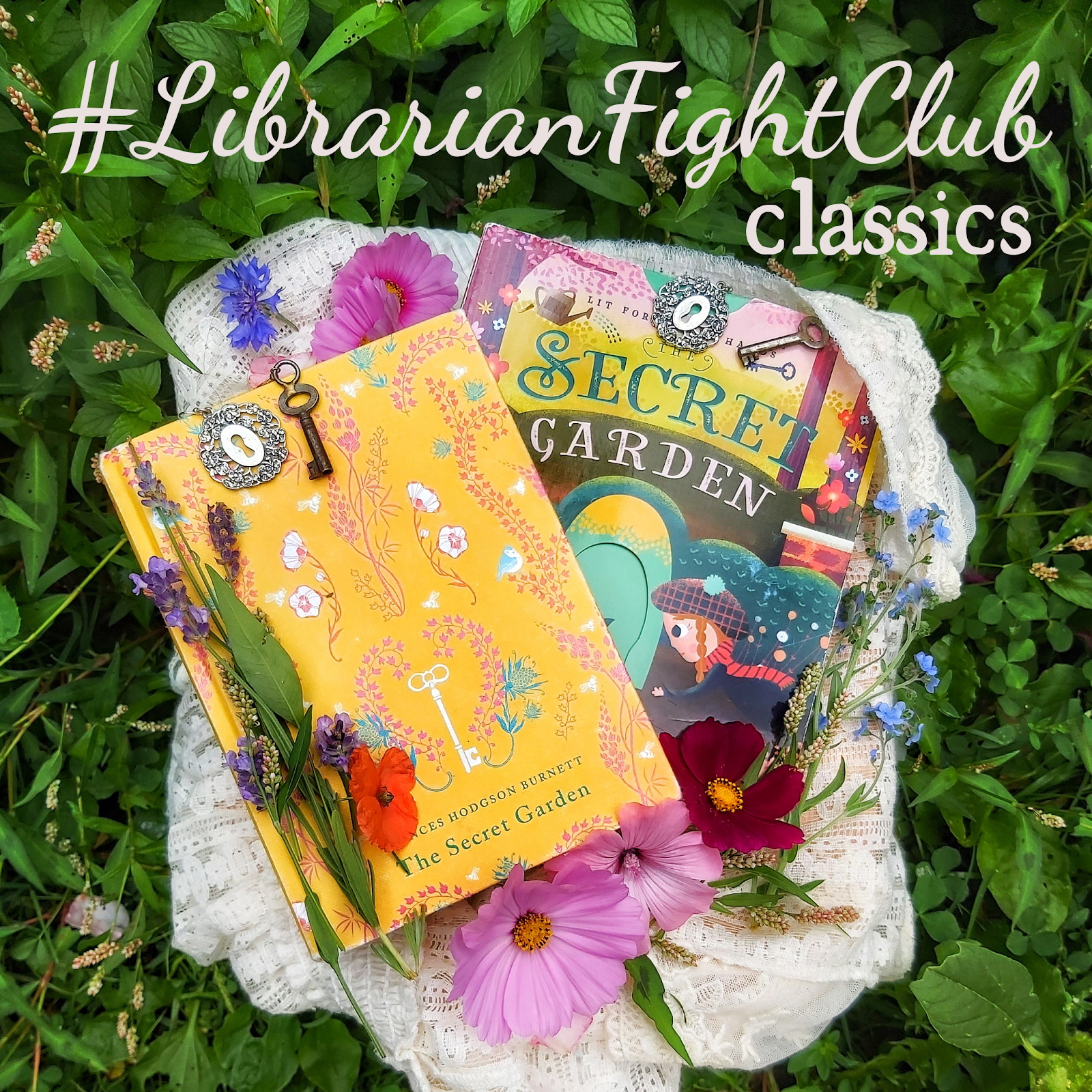
“The Secret Garden” by Frances Hodgson Burnett, first published as a full novel in 1911, is my favourite book of all time, since the first time I read it when I was a child. It is also, therefore perhaps surprisingly, the book I am putting forth today for #LibrarianFightClub, because when it comes to examining internal biases and problematic messages in books, nothing should be sacred.
I was first alerted to the problematic nature of the portrayal and attitudes towards disability in this book while chatting with my friend Lucy, @thecatchpoles. Previous to us discussing it I had never questioned this book.
You may be familiar with the story, it has been redone as plays, movies, picture books, etc., though I find that the original novel despite being a “classic” very readable for a modern reader, because Burnett was a boss writer.
The story is as follows, Mary is a British expat raised in India when, after Cholera strikes her parents and basically everyone she knows dies. She couldn’t care less, beyond inconvenience to her lifestyle. She is shipped back to England, to be raised in Misselthwaite Manor, the home of her Maternal Uncle by marriage. It is all very Edwardian gothic, she is a miserable “sickly little creature” and being back in the healthy English air and surrounded by good English people who take “no nonsense” improves her horrible temper and health. In fact upon her arrival at the English manor her maid says that India is full of “a lot of blacks instead of respectable white people.” To which Mary very angrily informs her “Natives are not people.” It is not mentioned again overtly, but the implicit racism, colonialism, and colourism runs deep in the veins of this book.
Serious question, is it possible to find a classic book that isn’t full of a deep base of white supremacy and colonialism? I’m not sure. And how does this affect if and how we approach reading it. These overt lines are of course scrubbed from modern retellings, but can you really remove the attitudes which form the basis and premise of this entire book? Does simply erasing the overt lines actually do more bad than good because it makes it harder to critically look at the entire structure?
Now, as to the depiction of disability and chronic illness, that gets complex. So, in this book the uncle is a romantic wretched fellow who is a “hunchback.” After being widowed by a beautiful girl who it is made clear should never have looked at him twice he never recovers and abandons his son who is also disabled, to wander around the world being morose and stinking rich. The son is a miserable tyrannical child who lives his life in bed having panic attacks about being ill. After meeting Mary, and spending time outside with her and learning about love and friendship, he is magically cured? Or, it was all in his head in the first place. His father when he sees his son is not in fact disabled, decides to return and be a father. Talk about a fairweather relationship.
So the trouble here is that really, this attitude that disability is partly in the mind and inextricably tied with a poor attitude is something that is still arguably ingrained into society. Or that disabled children are a depressing burden on their parents. We can connect these ideas back to all of the sorts of books people applaud about disabled people using a can-do attitude to overcome, to be inspiring. The basis is all here, and written out in the 1890’s.
However to further complicate things, it turns out, that this is actually a story that reflects the author’s own very fascinating life. Frances Hodgson Burnett as it turns out lived many of the experiences she wrote about personally including chronic illness and depression.
As a child, her family fell into ruin after the sudden death of her father. They were forced to immigrate to America from England, where she befriended a young ‘invalid’ boy, who she later married (arguably her inspiration for the relationship between Mary and Colin?) She began writing to support her impoverished family when she was only 18 and continued to write as breadwinner her entire life. She supported her husband through medical school, while raising two boys and keeping a household. She suffered from chronic undiagnosed illness throughout and bouts of depression. She eventually left her husband, and her elder son fell ill with tuberculosis. She moved back to England with her elder son, where he died. She divorced her husband, had an affair with a much younger man who then blackmailed her into marriage. She was roasted by the media and local religious leaders for her “advanced ideas regarding the duties of a wife and the rights of women.” She was also criticized heavily for the femininity with which some of her male protagonists were depicted, they were based on her son.
She wrote “The Secret Garden” after the death of her own son, surrounded by an English garden, in the depths of the grief and depression that her characters experience. Does this change the way we see the book?
This really brings me to think about European “classics” in general. They’re all problematic because they’re all written by people who lived within this society. They inform an entire Anglophone writing tradition and I’m not sure if simply removing it from a reading list is the most useful choice. You might disagree with me. Thinking on the ideas in this book, on its context, and then considering how it impacted, influenced, and inspired so much of modern children’s literature. Do we not gain something from picking apart the original? Especially when that original is written by a woman who was really pushing the boundaries of women and what was acceptable in society? What do you think?
An example of Process Based painting made by River (4yo) and myself (32yo)
In the world of Early Years education there is a great divide, between educators who emphasize the process of art creation vs those who put the importance on the resulting product.
This might not seem like a big deal, but between you and me, the resulting two sides can get quite judgemental of one another. Especially if you happen to be working together with a partner who is of the opposite camp. It can make for a heated planning session between teacher and ECE partner!
Critics of product based art education deem the carefully coordinated and uniform projects to be void of any actual creativity or student voice. Resulting in row upon row of identical cotton ball snowmen or cloned egg carton flower bunches.
Whereas those who oppose process based free form art wrinkle their noses at what they see as the inevitable muddy dishwater that child led activities produce. Where is the learning in a big swirl of paint that resembles the contents of my stomach? Who wants to frame that?
I should start by admitting my bias, I have always been a Process based art teacher with an emphasis on Inquiry led projects. I have a background in Fine Art, I attended Western university for painting, I have a minor in Art history from the University of Toronto and my original teaching subject qualification is Intermediate/Senior (high school) Visual Arts. But my work experience has always been in Full Day Kindergarten as both ECE and Teacher, specializing in music teaching.
Coming from this background and a handful of years of teaching I want to question some of the basic ideas at the core of early art education. And I want to suggest the need for a shift in the way we consider a holistic approach to early art exploration that can incorporate both process and product driven ideas.
The major rule I want to question, that exists on both sides of the spectrum, is that a teacher or adult should not interfere in the execution of the student’s work. Each child should be wholly and independently responsible for what you see on the page or creation. Teachers should not write on the work, they should not even help label directly on a journal page but instead scribe on the back.
With process work this means the students just go to town with the materials with some verbal guidance to try and observe and reflect on what they are creating. With product work this means a carefully directed and controlled procedure that is directed by the adult and carried out by the student, then assessed.
This dogmatic emphasis on a child creating totally independently is for two reasons. First and foremost, for assessment purposes. At the heart of all school based projects is the directive to document, and assess for reporting purposes. Everything a child does is ultimately evidence of their individual growth (or lack of growth to put it bluntly) to be written up on and filed away. The second reason stems from the idea that if you interfere with a child’s work, you are telling them, they are incapable of doing it themselves. Which supposedly has emotional and long term psychological ramifications (I strongly question this assumption.)
What I am proposing is that we challenge this idea that art must always be an individual effort, (which is such a modern idea.) Instead look at art production as a community effort, a joint product and a way to share and cooperate. For example when we teach music we use a community approach rather than individualist, teachers accompany on piano or guitar, children all sing or play together. I think we should take this communal creation approach and apply it to visual arts.
An artist’s apprentice three hundred years ago would have worked with direct support, an artist’s workshop would have worked together to complete commissions. At some point the view of visual art production as a group effort shifted from cooperation to individual genius. And I don’t think this shift did anybody any favours.
So what would this mean for practical application? What I am saying is that I believe it should be acceptable for adults to assist with the execution of some art projects not as a way to erase the student’s work but as a cooperative effort. That students should work together on paintings and sculptures, that it shouldn’t matter if it is impossible to document and assess who did what exactly. There is so much more that you can get out of these sort of partnerships.
A shift away from individualism and instead a focus on exploration and social connection during art projects would have a huge impact on both of the existing approaches to art creation in the classroom. It would mean that process work would have more of an aesthetically pleasing product and product work could have a little more complexity and depth.
Being able to intervene and work with a student during a process based piece for example would mean you don’t get that muddy dishwater effect. For example you could help them with some elements of painting, you could have a discussion about the pitfalls of overworking a painting, you could demonstrate technique and model right on the work. Over all I find that working together also encourages students to take on larger products because they feel like they’re better supported. It also just looks better.
In terms of doing product based craft work with adult and group support more complicated things can be accomplished. This allows for products that are a little more interesting and varied. Allowing more than one student to work on a craft also means that your classroom bulletin board will have one or a smaller number of pieces on display but that they won’t look like a line up of tin soldiers.
Will you still be able to assess? Yes. We manage to assess in music class while everyone is working on projects together so I don’t see how support and communal work would be impossible to assess in visual arts. The only real difference is that it would make sending pieces home for each child a little harder to divide. But, does anyone really keep every single macaroni decoupage? No. So I think we can relax a little.
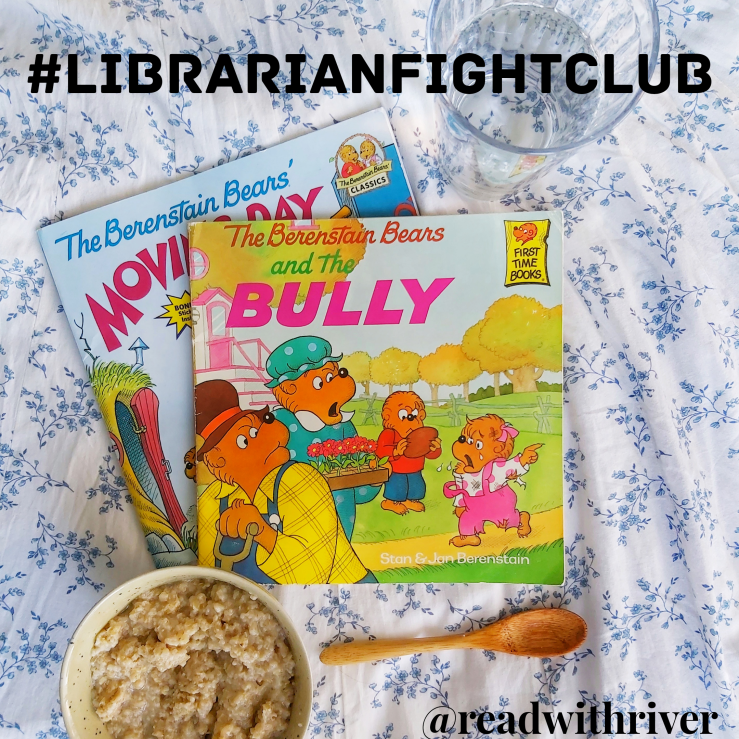
“The Berenstein Bears and the Bully” and “The Berenstein Bears’ Moving Day” by Stan and Jan Berenstain
As a child of the ’90’s and an avid reader, I owned a behemouth stack of “The Berenstain Bears” Books. I found them calming, honestly. I always liked the treehouse where they lived, with the little windows. Things never seemed that bad in their world. They are the literary equivalent of plain oatmeal and a glass of tepid water. But as an adult, I see what lurks beneath, and it makes me deeply uncomfortable.
Obviously I am not the only person who enjoyed these books, given the enormous popularity of the series over the last sixty years. However, when my daughter asked me to read one of the old books that I had the other day, “The Bully” it didn’t quite sit right and it took me some thinking to figure out exactly why.
“The Berenstain Bears and the Bully” By Stan and Jan Berenstain
In the book, Sister bear gets beat up by a bully. She runs home crying to her family, and Brother Bear, incensed, rushes over to the playground before she can finish talking. He is going to fight that bully. When he arrives, he is absolutely completely and totally flabbergasted that the bully is a girl, and obviously he can’t fight a girl. They really do play up the absolute almost impossibility that a girl could ever behave that way. So he does the next obvious thing, he teaches his sister how to fight because, clearly that’s the only way to solve this problem?
“The Berenstain Bears and the Bully” by Stan and Jan Berenstain
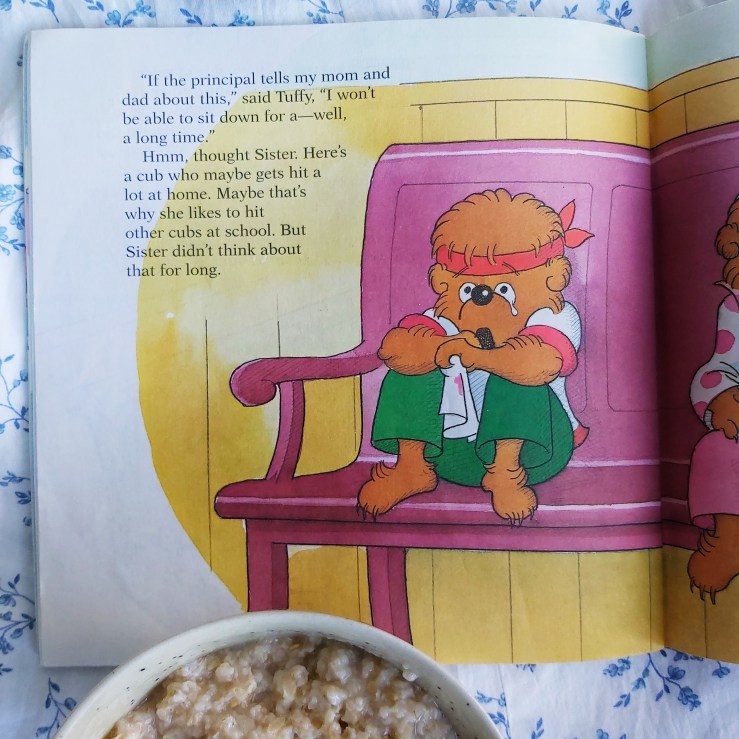
Sister Bear fights the bully and they both get hauled in to see the Principal. The Bully, Tuffy (what an original name), divulges she is frightened of being hit at home. Sister bear gives her a sidelong look, realizing her behaviour is due to abuse and quickly moves on because thinking about that messy family is not her problem.
The End.
So, a lot just happened right there. First of all, the implicit heteronormative 1940’s gender role assumptions are rampant, as they are in every single Berenstain Bears books. Mama Bear is the house maid and cook and wanders around trying to be perfect, while Papa Bear gives out orders with certainty and goes out into the world to provide. We could tear all of the books apart and you will see this but who has the time?
Aside from the horrific gender role assumptions, this whole issue of how to deal with a Bully is problematic on another level. First, there doesn’t seem to be any kind of attempt to talk directly with this Tuffy girl. The parental unit tells her to ignore, but it glamorizes Sister’s Karate Kid transformation. After the two are sent to the principal office, her home situation is given as a blanket backstory for all aggressive behaviour on the playground, and in the end Tuffy has to spend time with the school psychologist and, Sister Bear moves on with her life never having to think of this unsavoury character again. What?
Berenstain Bears books are at their core, vaguely veiled Self Help Books in sit com format. Created in 1962 by Berenstains and their editor Theodore Geisel aka Dr. Seuss. The advice given with such absolute concrete certainty harks from a different age. Apparently this was intentional, Stan Berenstein admitted in interview that the Berenstein Bears were written as existing an an older, pre war, a better time. They use out of date slang on purpose to set themselves apart from the hustle and bustle and confusion of the modern world.
What is even more shocking to me is the Universal nondenominational spirit of the series has veered off completely since 2006 when Mike Berenstain took over writing the series from his parents (who had passed away.) Stan and Jan Berenstein were not religious, Stan actually came from a Jewish family. But their son and current writer Mike, became deeply religious as an adult. When he took over the books he began adding titles such as “The Berenstain Bears God Loves You,” The Berenstain Bears Say Their Prayers,” “The Berenstain Bears and The Big Question,” and a huge collection of more religiously dogmatic titles. The Christian centered titles have been selling exceptionally well, especially among homeschooling moms.
I always thought throwing some Berenstain Bears books in a collection, was just harmless bland filler. But it seems to me, that underneath the sunny and plain facade, lurks an intention to create internalized dogmatic and patriarchal values in every child. I am not here for it.
Check out the article below if you want to learn more about the story of the Berenstein Bears.
Hold on to your hats people because this is going to get complicated. I want to preface this with saying that as a child I was very fond of Curious George, I had the original books and a large stuffed monkey who sat on a rocking chair in a little walk in closet where I had tea parties. Despite that Nostalgia, I think we need to look at this critically.
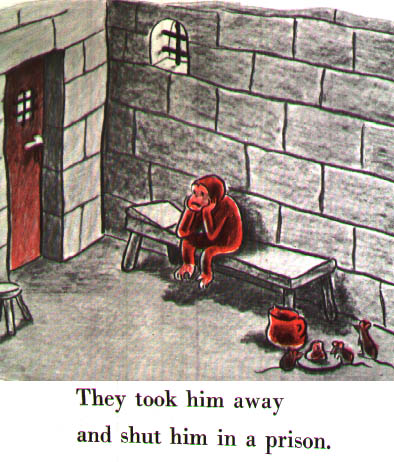
“Curious George” (1941) by Margaret Ray and H. Ray is about a monkey (with no tail) named George who is kidnapped from his home in Africa by a white man in a yellow hat. He is told he must be a good little monkey and accept his fate and promptly jumps off the ship, almost drowns and is fished back in. Once they get to the man’s home, George accidentally calls the fire department and is thrown in jail. He escapes and eventually is “saved” by the man in the yellow hat and then promptly thrown in the zoo.
“Curious George” (1941) M. & H. RAY
So this seems like an open and shut case of some seriously messed up allegory of racial power dynamics, pro colonialist imperialist bull crap. Right? The white man is the saviour who must impose his values and will on George, and George is expected to not only be complicit and obedient but to love and be thankful for the man. Awful right? Just bloody grotesque.
“Curious George” (1941) M. & H. Ray
Okay but here is where it gets a little more complicated. The authors, the Rays were a married Jewish couple who wrote “Curious George” while fleeing the Nazis. They fled Paris on bicycles with nothing but the drawings and a few belongings. They went to New York where they, like George, had to navigate a frightening new world having been forced by a threat of racist, antisemitic evil to abandon their home. On top of all of this, they had no children, but instead owned pet monkeys. Does this negate our initial assessment? Or does it simply complicate it?
So how do we untangle this? June Cummins in her compelling article, you can find the link to below, argues that despite their experiences, the Rays are writing with the voice of authority. They are functioning as The Man in the Yellow Hat, who they have portrayed as a force of goodness and rightness. But who is George in all of this?
George, symbolizes a human child, the decision to depict him with no tail is a pretty big indicator of that. They owned monkeys, they would have been aware that monkeys have tails. Given their relationship with monkeys it seems natural that they would select a monkey as the animal symbol for a cheeky human child in their story.
So what about the racial connection, was it intentional? They clearly had their own personal reasons to choose a monkey. But, the Ray’s would have been aware of the plethora of pre-existing media that drew comparisons between Black people and monkeys. That was a pretty commonly used symbol by this time. Add to that the entire narrative of the white man in the colonial safari outfit kidnapping and enslaving George (who is representing a human child) from Africa, this is not something we can dismiss. The level of intention on the part of the author in making a statement about race is unclear. However, I don’t think it is possible to fully remove the story of Curious George from its ties to the enslavement narrative and colonialist values.
At the end of the day, does it matter if they intended it? Curious George is certainly a book that supports unjust power dynamics, obedience in the face of subjugation, and kidnapping. It also exists in the context of a time when art, writing, propaganda had been making these symbolic connections between Race and monkeys/apes. You cannot remove a piece of art from the context it was created even though yes, clearly there are many layers here.
No, It isn’t as clear cut as I had initially thought when I began researching this but I do not think that the personal experiences and trials of the authors can erase the obvious context and implications that Curious George and his captivity has in terms of messaging about racial power dynamics, and pro colonial attitudes.
I do not think “Curious George” belongs on a child’s bookshelf after having researched it and it’s context and implications. However I encourage you to do the research yourself, and consider it. I have linked some articles below for your consideration.
SOURCES
Cummins, June. “The Resisting Monkey: ‘Curious George,’ Slave Captivity Narratives, and the Postcolonial Condition.” A Review of International English Literature 28.1 (1997): 69–83. ARIEL. Web. 12 April 2015.
“A Good Little Monkey: Curious George’s Undercurrent of White Dominance and the Series’ Continued Popularity” Terhune, Maya. Boston University WR: Journal of the CAS Writing program
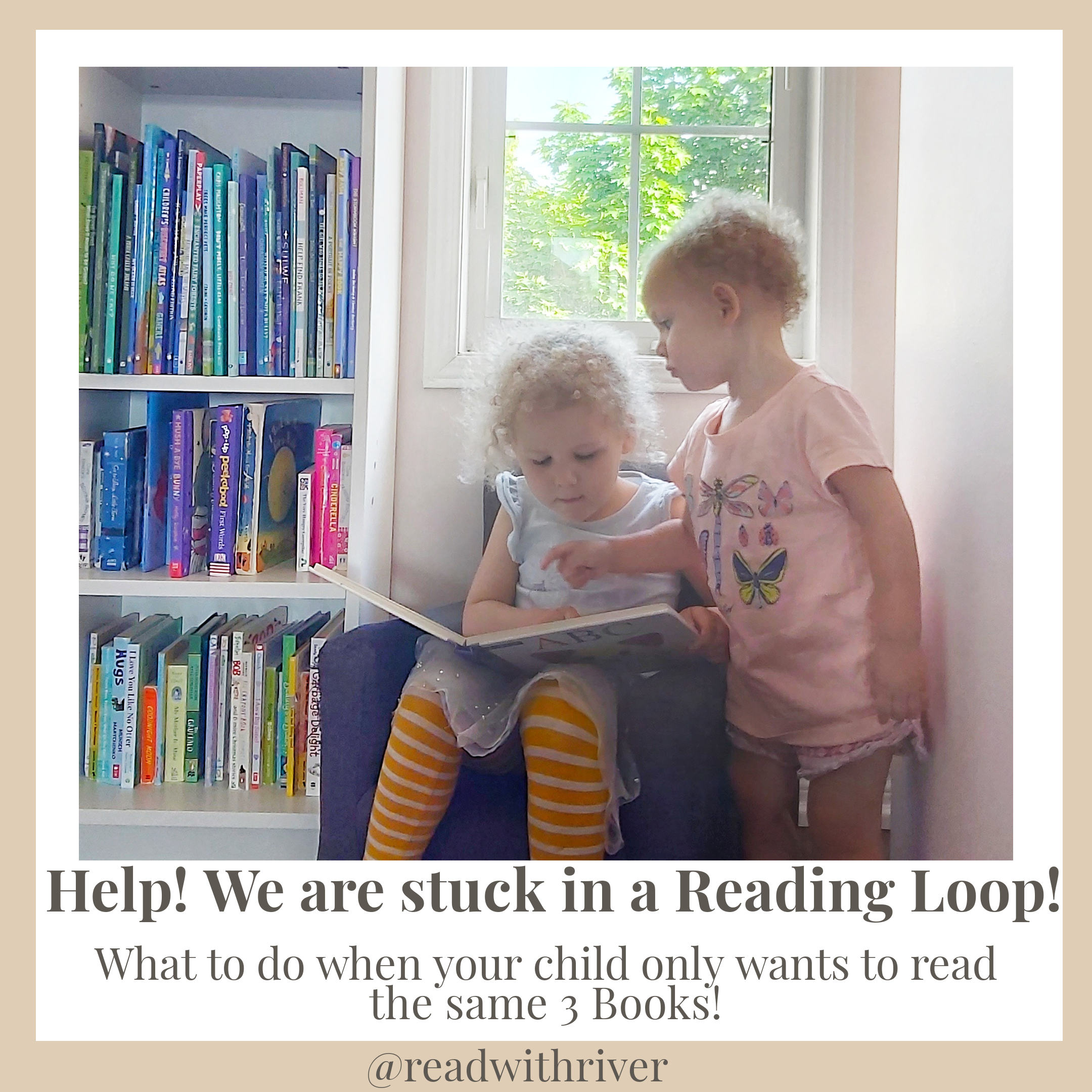
Reading Loops are Normal and Developmentally Appropriate
Toddlers and young children thrive on the safety of routine and predictability. This unsurprisingly extends to every facet of their lives including the books they will want to read. This is one of the reason you will end up reading the same insipid book about the puppy who has lost it’s ball 572920139009 times in one week.
The Growing Brain:
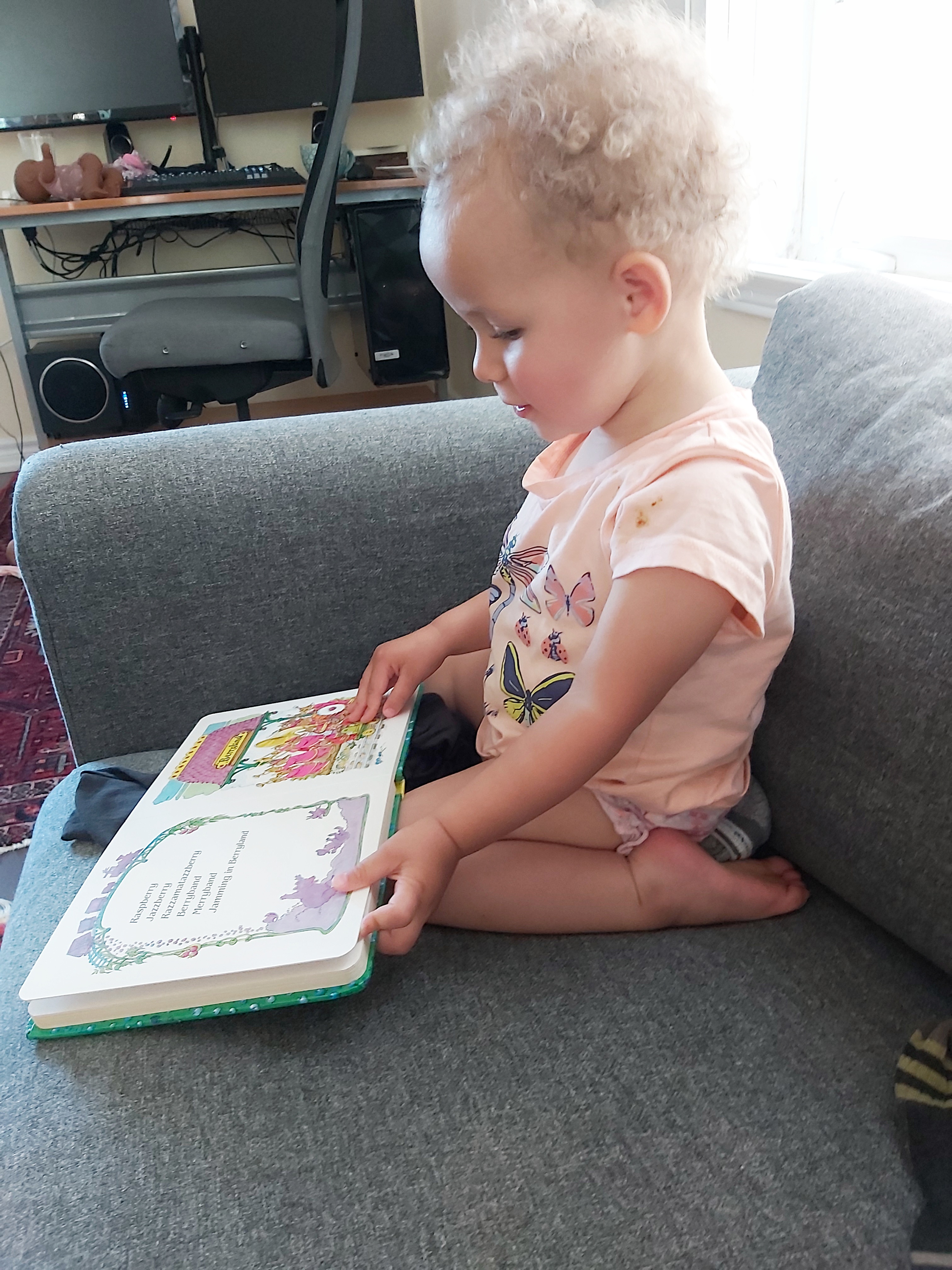
Another element to this is the fundamental approach to acquiring skills and knowledge that is hardwired into babies and toddlers. They will take apart and repeat a skill over and over until they have mastered it. You might have noticed this in other tasks they get fixated on, such as opening and closing doors or squeezing all the toothpaste out of the tube whenever they get a chance. They are focused on mastering this. This applies to the books they have chosen. They are going to learn every detail backwards forwards and upside down.
Early readers should be reading each book at least 7 times..
Learning to Read:
When we get to preschoolers and primary school children, the need for repeated reading is still incredibly important! Studies have determined that early readers should be reading each book at least 7 times to really be able to comfortably read through and glean all of the lessons therein.
Should I Embrace the Loop?
Embrace the loop within reason. Reading books has many purposes and getting stuck on the same 3 books for four months limits the amount of new ideas, discussions, vocabulary and experiences your child is exposed to in reading.
Balancing is key.
How do I encourage balance?
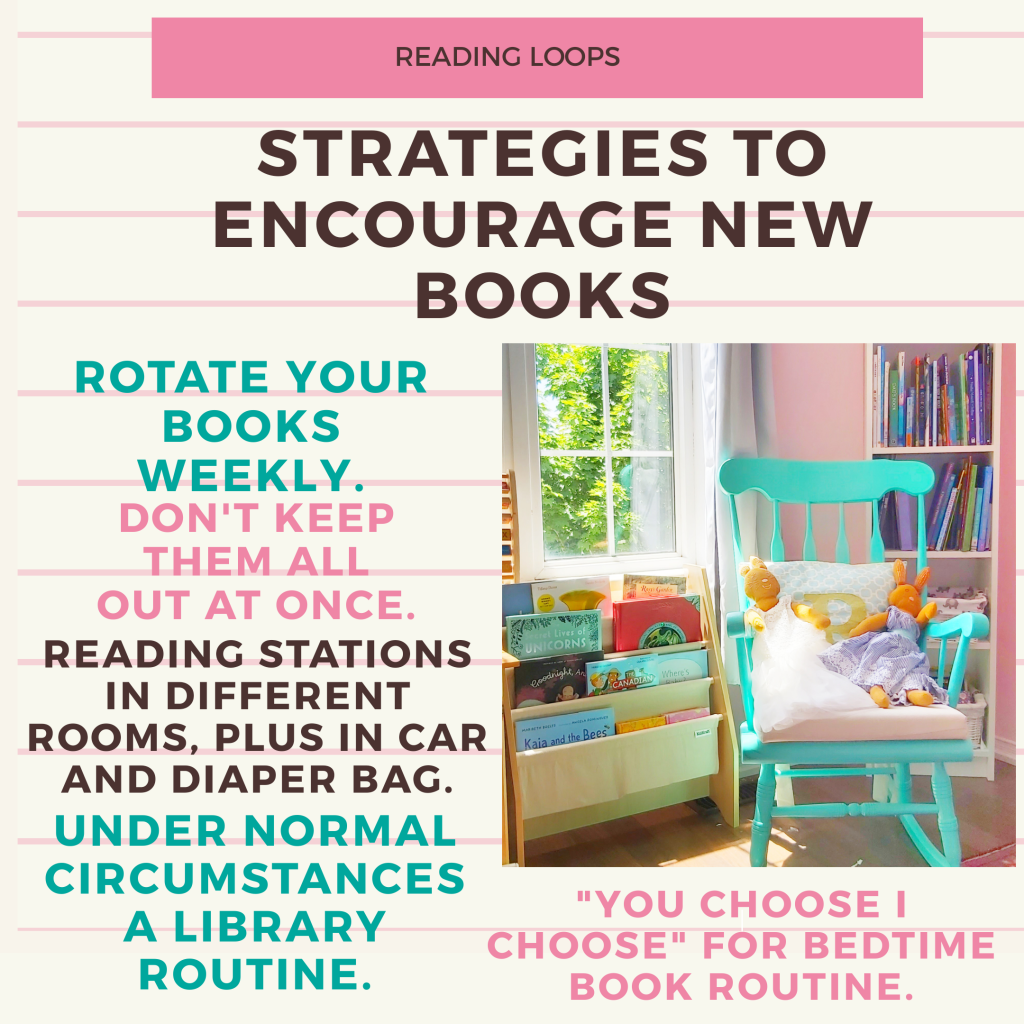
Rotate books like you would toys. Every week, don’t keep them all out at once.
Keep different selections in different areas, the car, their bedroom, the diaper bag, the kitchen, etc.
“You choose I choose” I let my children choose two books each at night and I also choose 2 so that we have a variety.
What other ways do you encourage your children to indulge in a variety of books?
Do you have piles and piles of ambiguous blobby paintings? We sure do. River is a prolific abstract artist and it is just impractical to keep every single one.
So how do I mitigate the paper use? First I give her paper that I have already used, I am a compulsive list maker.
Second, I find ways to then use her paintings again. This activity is perfect for recycling paintings and gives you a style that looks something like Eric Carle’s works! I saw something like this on a library display board years ago.
I made one here as an example based on Eric Carle’s “The Very Hungry Caterpillar.”
How to:
Materials
Scissors
Glue
Tempera paint
Paper
Canvas or firm background paper (Bristol board will do)
Utensils for painting with (think outside the box, forks, old tooth brush, sponge, cardboard, cotton balls, you can use your fingers or feet!)
Procedure
1. Have your child make a bunch of abstract process paintings on a fairly thick paper, we did this over several days. (Abstract process paintings are paintings that aren’t supposed to look like anything and are all about the experience of painting.)
2. Each painting should use different colours, you may wish to limit their colour palatte by only giving them a couple of colours at a time. Otherwise everything will be muddy.
3. Let them experiment making marks on these paintings give them different tools for each one.
4. Once it is all dry cut shapes out of the paintings. Make a variety of sizes and types and throw in some organic shapes for good measure. You can let your child help with safety scissors.
5. Using regular glue make pictures with the shapes. To get the Eric Carle feel emphasize layering the picture. So add plenty of layers and details.
5. This can be a great opportunity to bring in math discussion and exploration, talking about shapes, patterning, and symmetry.
One of my dearest oldest friends is about to have her first baby and I couldn’t be more excited. Now, obviously the baby shower that was envisioned is out of the question but sending something special is still a must.
In my experience it seems that people choose books for baby showers a lot like they choose the clothes. Impractical, fussy, not really designed for everyday use. Noone wants to button 56 buttons up on pajamas at 4 am, Karen, I don’t care if that’s what you did with your babies 500 years ago. Oh yes, please tell me more about your horrific birth story and how sugar is the devil.
So I set about picking the top ten books I think every house absolutely needs. I chose them based on which books my children enjoyed the best as babies and that are still enjoyed regularly in our home today.
This was a hard choice and I also opted to put only one book from each author. Honestly I could make a top 50 of essentials but maybe that is excessive.
I couldn’t get great photos of this because Willow was too excited at seeing all her favourite books in one place. Normally I seperate them throughout the house strategically. Of the hundreds of books we have, these ones are always the top requests. So she kept on grabbing them off my photo spread and forcing me to read them again and again. It took over an hour. I gave up trying to photograph them all, they’re pretty worn looking anyway. Here is my list in order of dire necessity.
The Top 10 Best Books for a Baby Shower: picked to read (and not just to treasure)
1.”I Took the Moon for a Walk” Carolyn Curtis & Alison Jay @barefootbooks
2. “The Very Hungry Caterpillar” Eric Carle @philomel @penguin
3. “Go to Sleep Little Farm” Mary Lyn Ray Christopher Silas Neal @houghtonmifflinharcourt
4. “Mortimer” Robert Munsch & Michael Martchenko @annick
5. “Oh No, George” Chris Haughton @candlewick
6. “We Love Each Other” Yusuke Yonezu @minedition
7. “Slinky Malinki Open the Door” Lynley Dodd @puffin
8. “The Going to Bed Book” Sandra Boynton @littlesimon
9. “Alligator Pie” by Dennis Lee illustrated by Sandy Nichols @harpercollins
11. “Cats” Matthew Van Fleet & Brian Stanton @simonandschuster
A further note. Many of these authors have books that I would consider equally excellent, I was just narrowing it down. For example most of the classic Munsch books “The Paper Bag Princess,” “Thomas’s Snowsuit,” “David’s Father.” Or many of the Eric Carle books, “Brown Bear Brown Bear” are also favourites in this house. Perhaps I will make a list of my top fifty eventually. For now, this list is a good starter pack for any baby’s layette.
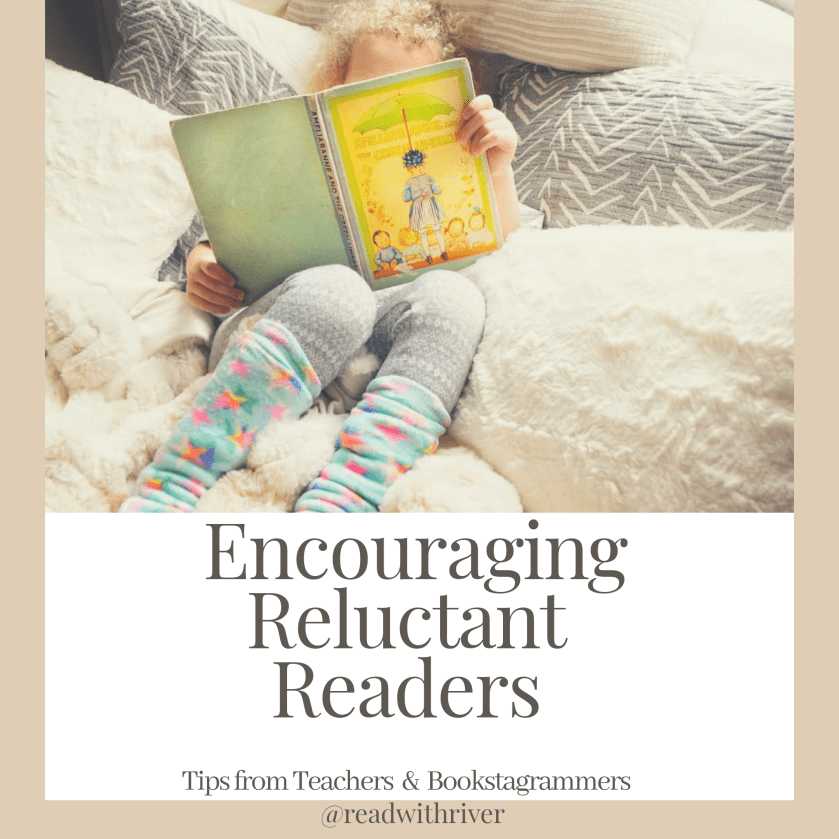
Not all children instantly love books. A reluctant reader will often struggle down the line with literacy skills and it can affect their feelings about learning in general and their own self esteem. This can be frustrating for both you and your child. So what can you do?
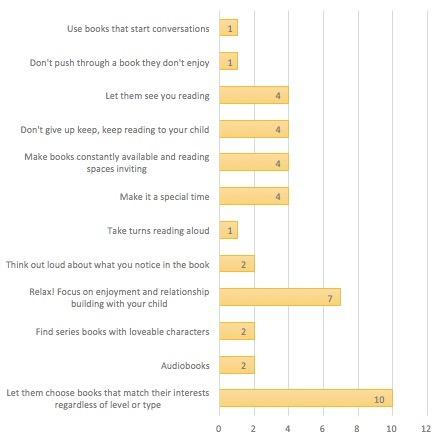
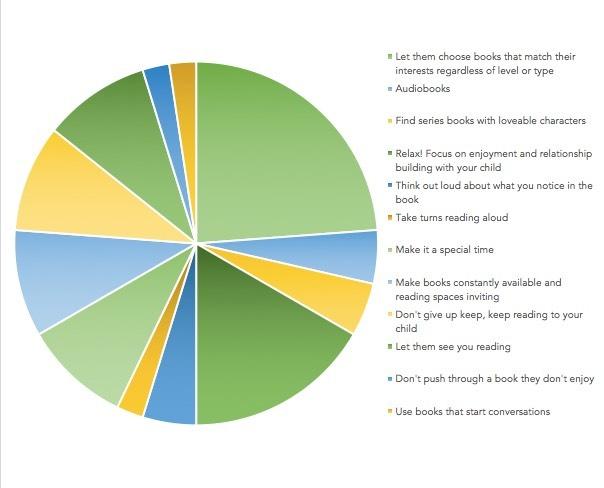
I have collected advice from 20 of my favourite bookstagrammers and teachers here on Instagram! Tips that you can implement at home without spending any money.
How to Encourage A Reluctant Reader
Let them choose books that match their interests, regardless of level or type.
Relax! Focus on enjoyment and relationship building with your child.
Make it a special time.
Make books constantly available and reading spaces inviting
Don’t give up, keep reading to your child.
Let them see you reading
Consider Audiobooks
Find series books with loveable characters
Think out loud about what you notice in the book.
Don’t push through a book they don’t enjoy
Use books that start conversations.
Take turns reading aloud.
based on advice submitted from participating teacher influencers and bookstagrammers.
My tips to make reading inviting! Create spaces that a child would want to read in and have a selection of excellent books for them to choose from. Rotate the selection regularly. Focus on creating a special time every day where you can also read together and focus on keeping it fun.
My best tip for reluctant readers is to find a series of books that match their interests. When kids get to know the characters in a series, they feel connected, invested and want to know more about them. So find a few great series of books to keep them reading.
My advice for parents of reluctant readers would be to relax! I know it’s tough, but try to stop worrying so much about what your child is or is not able to do.
Find some books on a topic they’re interested in and read it to them.
Enjoy books together without testing them or making them perform for you. If you can make reading a positive experience, a time for connection, your child is more likely to be motivated to learn.
Another tip would be to “think out loud” – casually point something out as you read (a letter you notice, a sight word you know they’re practicing at school) or work out a tricky word aloud and then move on. But be careful! If you do this too often or too obviously, your child will likely catch on and get annoyed.
Tough to narrow it down because each reluctant reader is different. But probably my number one tip is to find a way to get into the fun of it with your child. Whether your thing is voices, or reading during bath time, or seeking out book events. If you as the caregiver can make it fun and set an example of reading being awesome then the kids will likely follow.
To help kids build stamina for longer texts parents can try an “I read, You read” strategy. Take turns reading a page (or paragraph) at a time. It’s a relief for reluctant readers because they don’t have to carry the full load by themselves and comprehension is better maintained because they can listen to understand when it’s the parent’s turn.
Pick books with engaging illustrations to have conversations about, in addition to reading the text. Ideally, a series or a book that would lend itself well to being a jumping off point for extra interest in a topic.
“Allow them to choose the books, and set aside the time to read one to one every day. Keep books in every part of the house… even the bathroom! That way a book is never more than an arms length away.”
I would say allow them to choose the book. Even if we are the one reading to them, giving reluctant readers a choice is helpful. So I would show the child three-four books with topics they are interested in and then have them choose.
Togetherness and specialness. Togetherness, making a set time each day and make it special, an afternoon tea after school, a special drink and a bite to eat while sharing a book to read. Whatever you do, make it special and be together
Find something they are really interested in and tie it to books. My youngest didn’t enjoy reading until I found him some simple biographies about famous runners. Also, audiobooks are a great option for some kids!
I think family members modelling positive reading behaviours is the most important. Since children learn so much by seeing (not telling), if they see others gaining enjoyment of reading, they might be inspired to give it a try. We tell parents/guardians to pull out a book themselves, read aloud picture books/chapter books, make reference to how reading helps them read driving directions (kids will internalize, “I need to read to drive a car”) or when a parent is cooking they can say, “can you help me read this recipe”… without pressure, parents can model positive ways in which reading is intertwined into daily life
Another tip we share in my role is not to use timers to enforce 20mins of reading a night (even though we know it’s good practice)… timers make it seem like a chore and when the timer goes off, even if the child was enjoying the book, they will stop and move onto something else
With reluctant readers, we also tell parents not to worry about WHAT they are reading (comics, graphic novels, magazines)… let them gravitate to anything and praise!
Bring them to places where they will also see people reading… bookstores, library… they will start to see that reading is for enjoyment.
Let them pick books they’re interested in reading – even if it means they’re reading something you’re not super excited about. Graphic Novels are books! They’re awesome for encouraging a love of reading!
(By “not super excited about” I mean like character books – not books that are inappropriate or anything.)
It’s ok to give up on a book that’s not working. Forcing something that no one is enjoying is never fun. Put the book away and head to your library for something else. And if in doubt ask a librarian for their recommendations for books on a theme, topic or genre your kid enjoys.
When it comes to reluctant readers, I always think of that J.K. Rowling quote, “If you don’t like to read, you haven’t found the right book.” My biggest tip for parents or teachers looking to help reluctant readers is to first explore the child’s interests and then find a book that fits their personality. I used to give my students a self-evaluation sheet asking them to circle various activities they were interested in and then used that to help guide them to a book I thought they might like that was near their reading level.
Another tip I have is to be open minded. Many parents don’t love graphic novels, but reluctant readers do! There are a ton of graphic novels out there that not only have tons of kid appeal, but they also help children built important skills like reading with expression and better understanding punctuation. Because these books are highly illustrated, readers can use the pictures to help identify new words and better comprehend the story. Children may finish these stories quickly, but that isn’t necessarily a bad thing. It is a huge boost to their ego to be able to read the entire book and they will usually return for rereadings, which will help books their reading skills.
Many parents also worry when their child chooses a book that they believe is lower than their typical reading level or if they reread a book over and over. There are actually benefits for children rereading books or choosing books on a lower level. Rereading allows them to develop a deeper understanding of some of the nuances in the plot they may have missed the first time and it can be an opportunity to practice their fluency. Sometimes they need a break from all the difficult reading they may be doing in school. Many adults are able to read War and Peace, but very few do because they want something more entertaining. Kids are the same way.
Kids are figuring out their own reading identities and they have to have the freedom to explore and choose their own books.
Scholastic has two new groups of books aimed specifically for new/ reluctant readers that are fantastic!
Acorn Books are intended for children ages four to seven and contain an excellent combination of easy-to-read text, color illustrations, and engaging storylines featuring friendship stories, humor, and magic. They also include tips for drawing the characters to inspire budding writers to create their own stories.
The BranchesBooks are an ideal choice for those newly independent readers who are in between the easy reader stage and traditional chapter books. They have high-interest stories with simple plotlines that include easy-to-read text and illustrations that provide context clues and aid in reading comprehension.
Honestly, I read this tip from Shannon over at @ohcreativeday about just continuing to read, read, read even when they don’t seem to be listening or don’t seem to care. So I probably read to my now toddler’s bum for months because she would just crawl away. So I think continuing to expose, even when they don’t seem interested, and creating a literacy rich environment would be my only tips!











 Read With River