
After wrapping up as a judge for the Bookstagang 2024 picturebook awards and looking at my tallied list of themes that recurred in the 570 new releases that were submitted for scoring, I have serious question to ask our publishing friends.
Are you guys okay?
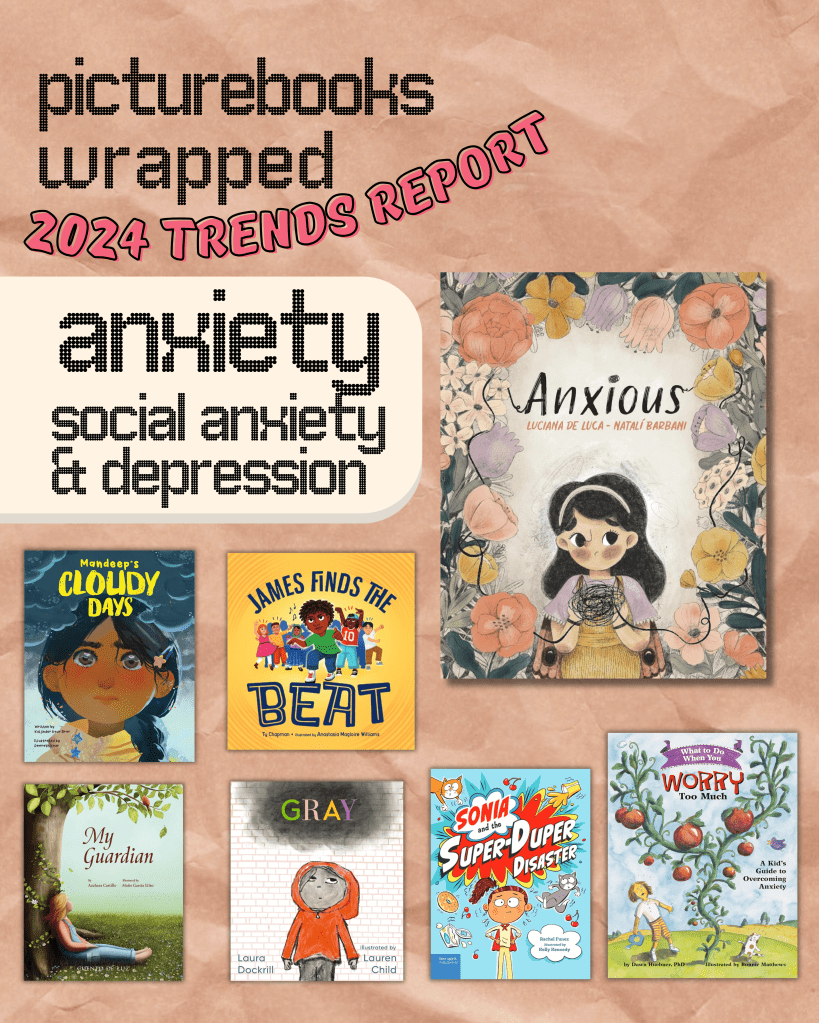
I am almost certain the answer is no, because nobody seems to be okay anymore and this year’s big trends are really driving that stake into our collective barely beating hearts. We’re seeing an unprecedented number of picturebooks about; death, depression, dementia, displacement, and a concerning dose of severe anxiety.
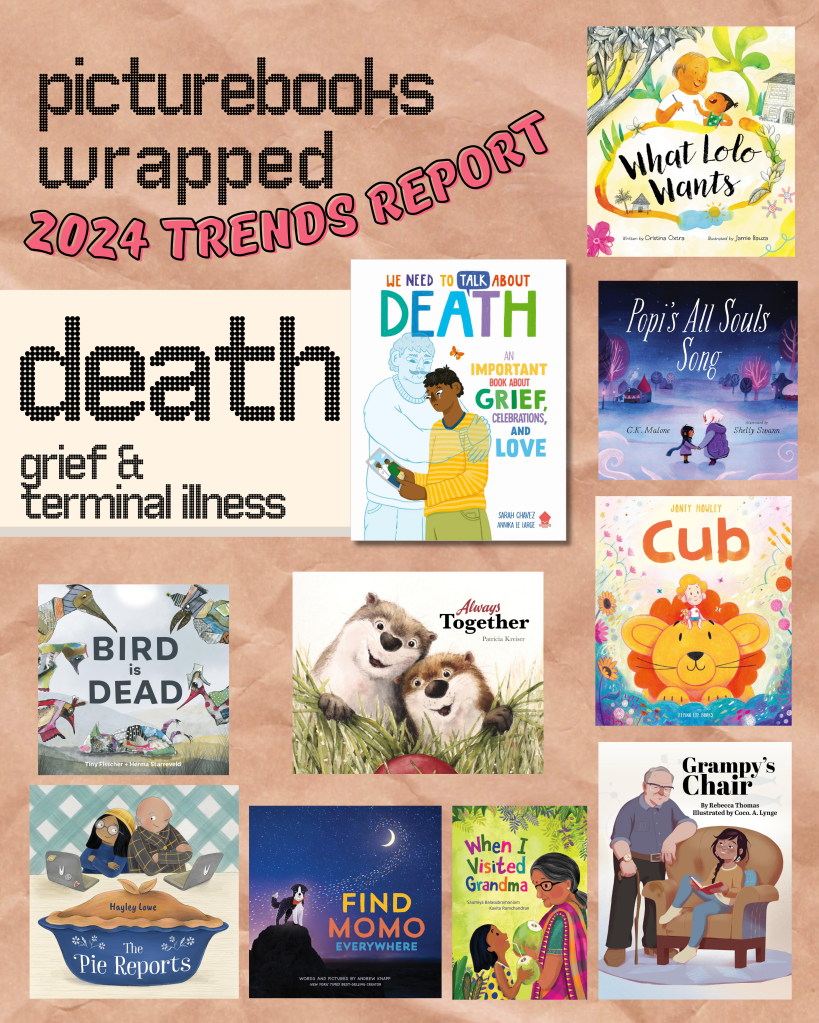
Little Bo Peep needing to practice therapeutic coping mechanisms to deal with the panic attacks brought on by the death of her sheep, as she wanders the moors in search of a new home would fit right in with this year’s catalogues.
Gone are the days of kindness and capybaras, oh no, now it’s dead dogs and dead otters and dead grandparents galore. Every time I saw a grandparent appear on a spread I clenched my butt hole readying myself for their inevitable and untimely demise.
It makes sense when you consider these books were acquired most likely some time in 2022. We were still in the throes of pandemic pandemonium, and had not become quite as desensitized to the ongoing onslaught of covid as it continues today. We were definitely not okay. Was that back when there were still killer bees, or murder hornets, maybe there were the wildfires? Or was that 2023? Please someone put out a recent history book because I can’t keep track anymore and it’s still as fresh as the corpse of the dead bird in BIRD IS DEAD.
The question I have is, if this was the vibe that 2022 brought forth in picturebooks then what fresh illustrated hells will be unleashed upon us yet to come? Our global situation has moved laterally at best since 2022 and the forecast for 2025 isn’t looking sunny.

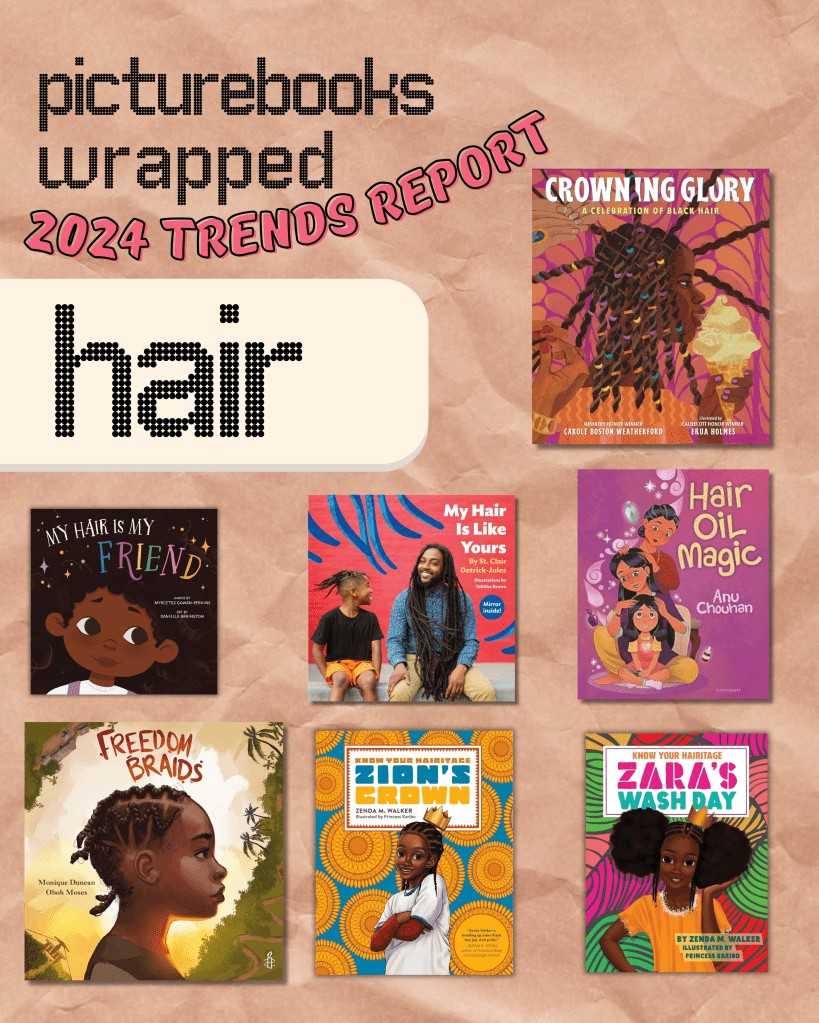
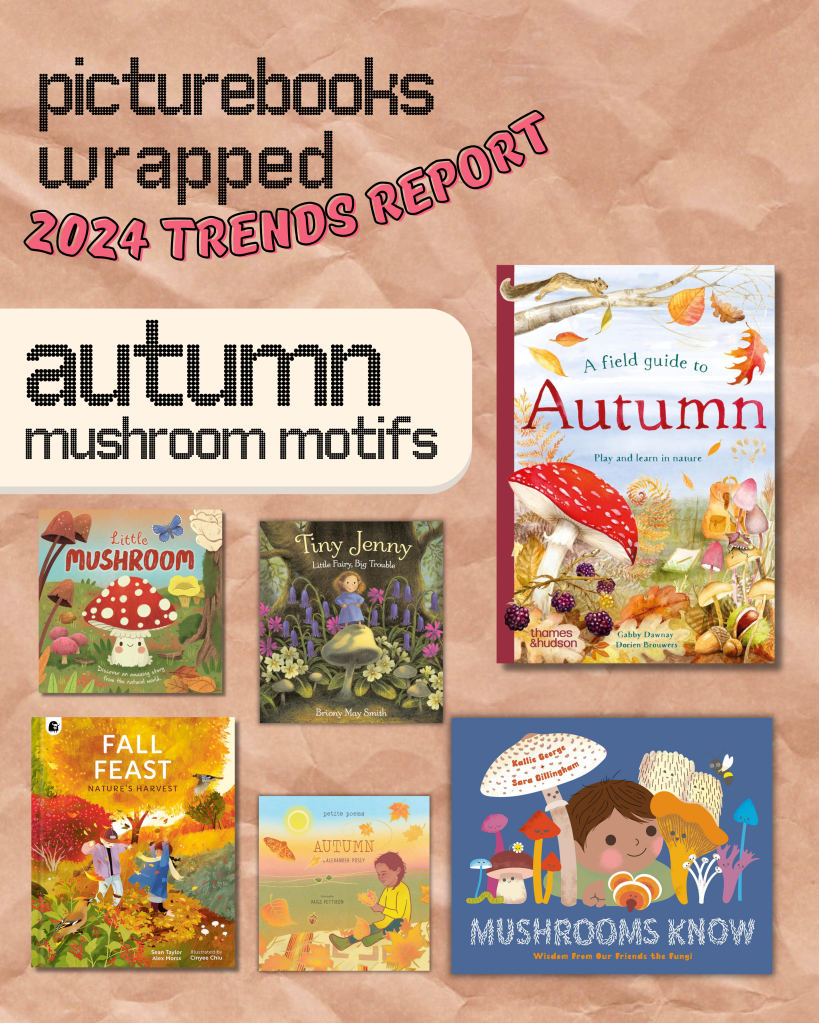
Not to worry, it’s not all doom and gloom, 2024 brought us a lot of very nice books about hair and a good number of cosy autumnal mushroom books popping up to soften the harshness of mortality in this cruel world. So there’s that to find comfort in.
There is a continued general movement away from the minimalism in design and efficiency of word counts that we were seeing back in 2020. The picturebook trends are flowing into full blown maximalism in almost every element except for paper printing and binding details. I’m seeing a real lack of gold foil and everyone is skipping the embossed covers (expensive paper engineering and print details are no longer in the budget it seems).
Word counts are way up, testing and stretching the boundaries of this screen fed generation. It’s no longer a Hemingway-esque test of economy to see how much meaning you can jam into a paragraph shorter than a haiku and I for one am relieved. The scripts are getting downright flowery, poetry is seeping into every genre, both verse and prose. We’re even seeing poetry appearing in our non-fiction new releases. This is a nice extrapolation of the emergence of narrative non-fiction that has been really growing in the last few years.
This year saw a real variety of artistic styles, and I love to see it. The boundaries of what qualifies as an appropriate illustration for a children’s book are being explored. A number of deep richly coloured hyper realistic painted books have come out.The overall palettes are natural and warm. We’re seeing lots of details being included all over the place. The possibilities are endless it seems and I can’t wait to see how things continue next year at this rate.

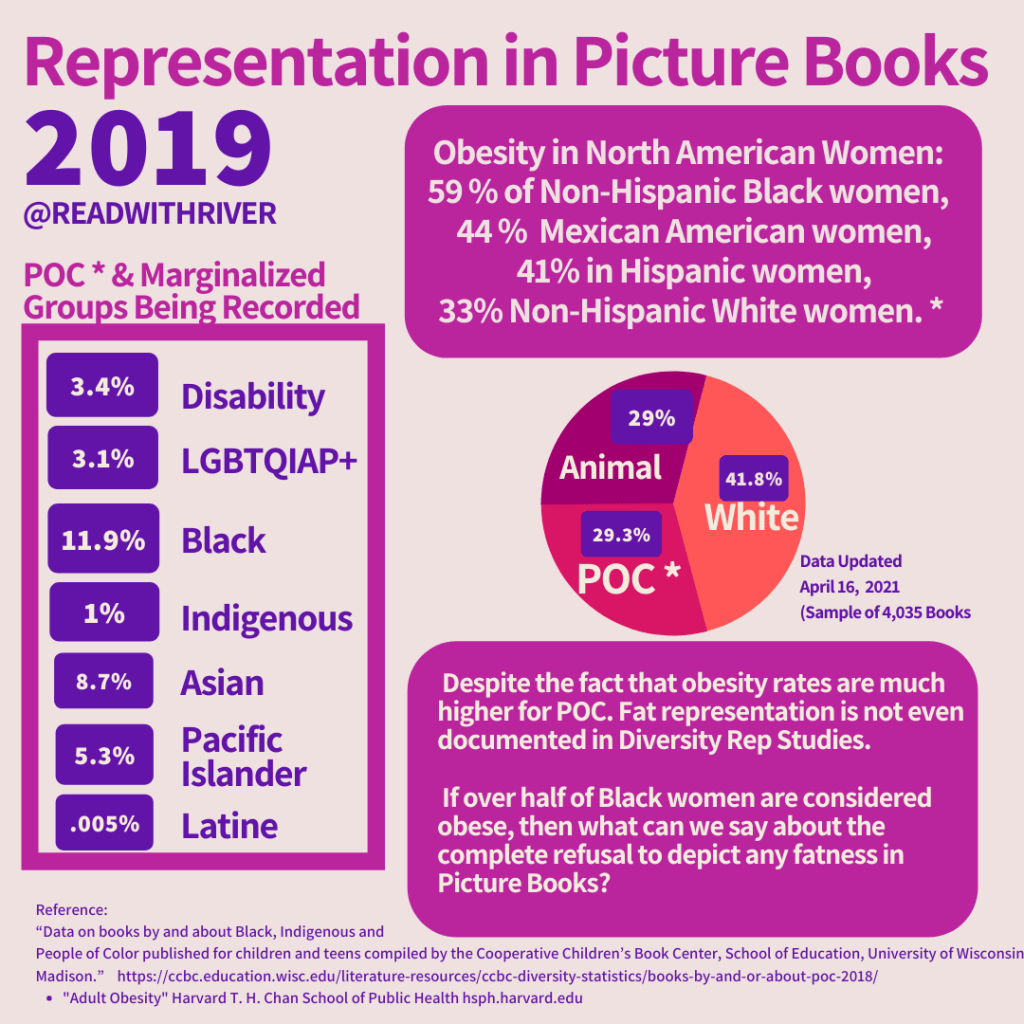
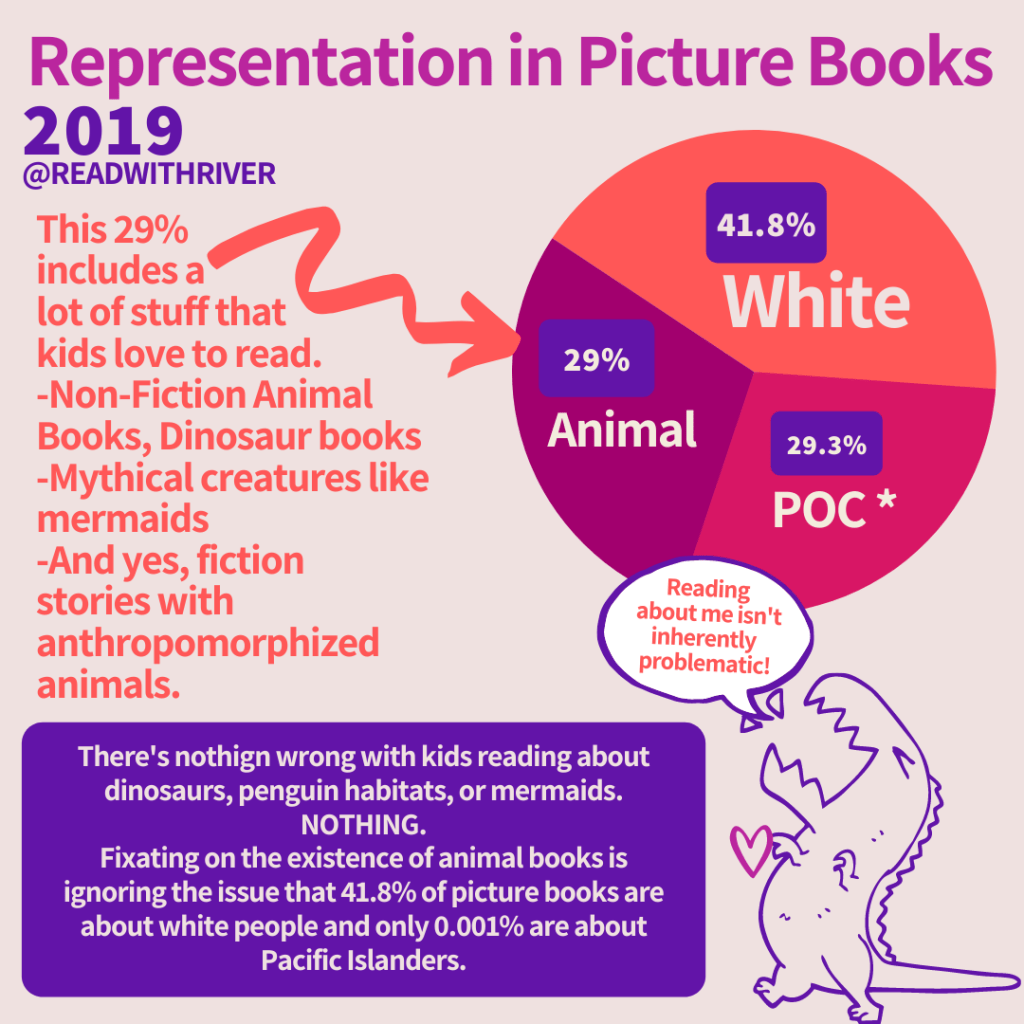
I know the question everyone actually wants answered is are we really seeing a decline in diverse representation? After the recently released Guardian article citing a serious drop in diverse representation as tracked by the research from CLPE from 2022-2023 in UK published children’s there is real concern.

The CLPE data showed increase in the rise of background characters that were racially minoritized and a drop of racially minoritized main characters. Although picturebooks had the highest proportion of racially minoritized characters with a 3% increase from 2017.
“Whilst this is disappointing, we have always expressed cautious optimism regarding the increased output of recent years,” writes Farrah Serroukh, CLPE research and development director, in the report’s foreword. “Historical patterns would indicate that gains regarding inclusion are susceptible to being constrained by the cyclical nature of publishing trends.”
Do those numbers hold up for North American publishing? According to the statistics put out by the CCBC, no. 2022-2023 did not see a decline. However there wasn’t a significant increase either. The market seems to have plateaued on how much diversity it’s willing to float. Furthermore the North American statistics indicated that the representation increase that did occur was localized to the representation of minorities by authors who did not share those identities, there was no significant increase in representation written by those minorities.
So what did that mean for the books we received in 2024? The data from these organizations, the CLPE and CCBC respectively, does not exist yet for 2024. Admittedly the sample size we have here in the Bookstagang of 570 books is much smaller than the 4-5,000 that the CLPE and CCBC have for their studies, but it is an immediate look at what’s happening right now in 2024 and a more localized look at the kind of stories that are being told.
As someone who has judged this particular list for 5 of the past 6 years, I would say that I am noticing a general trend away from diverse narratives but not away from diverse representation.
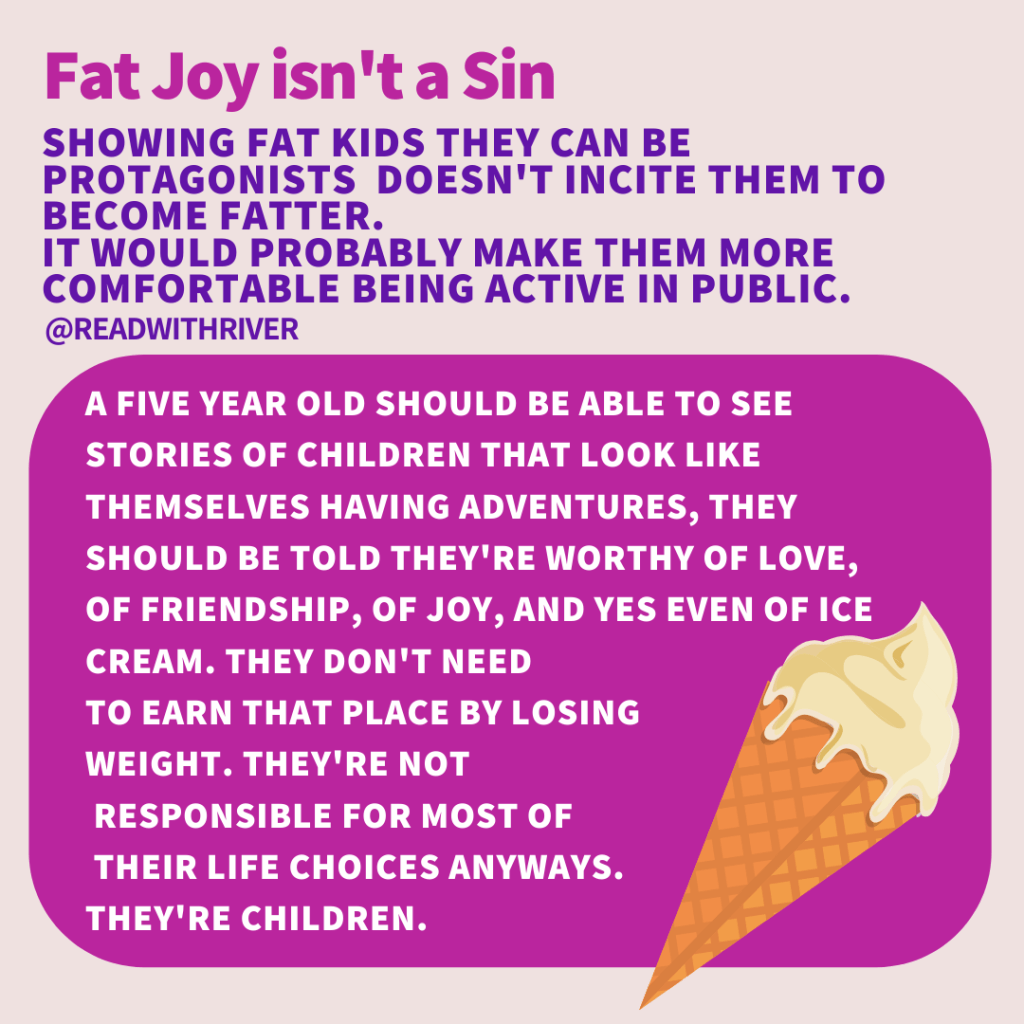
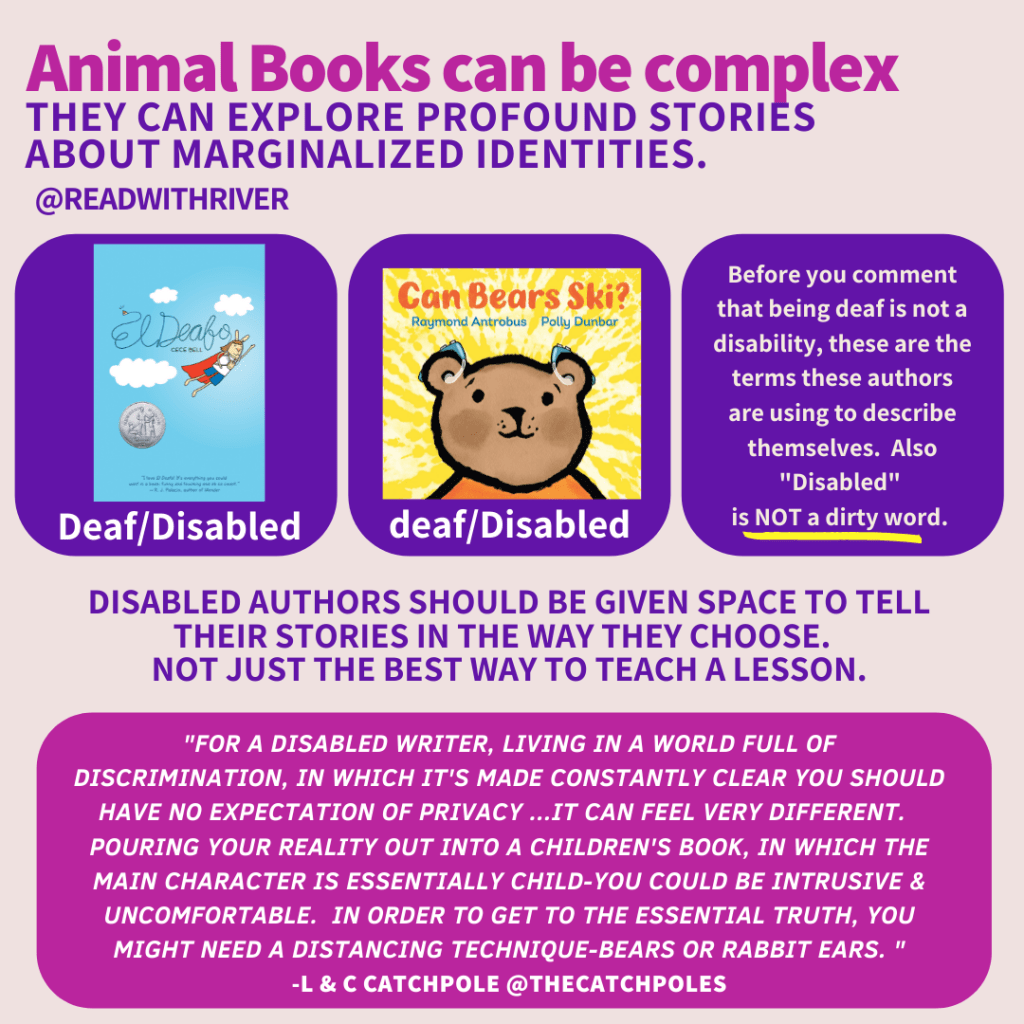
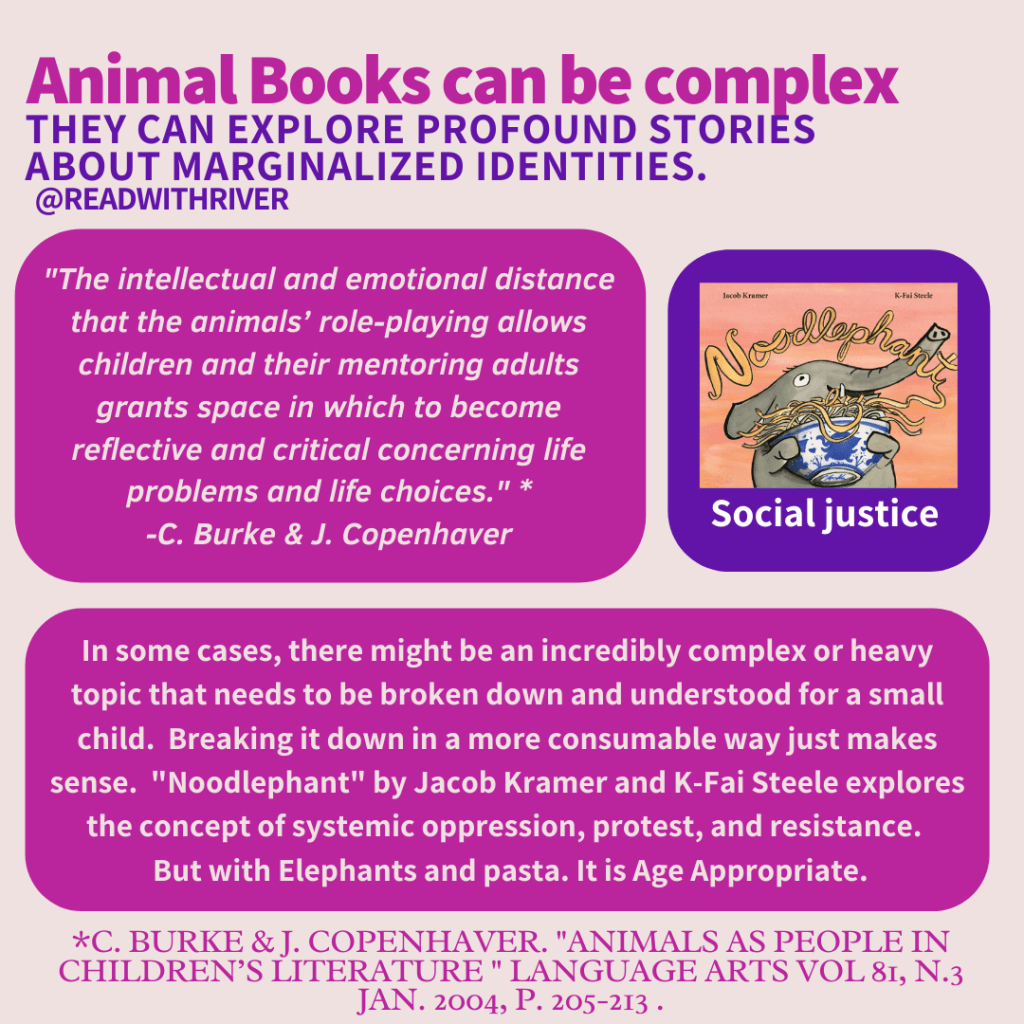
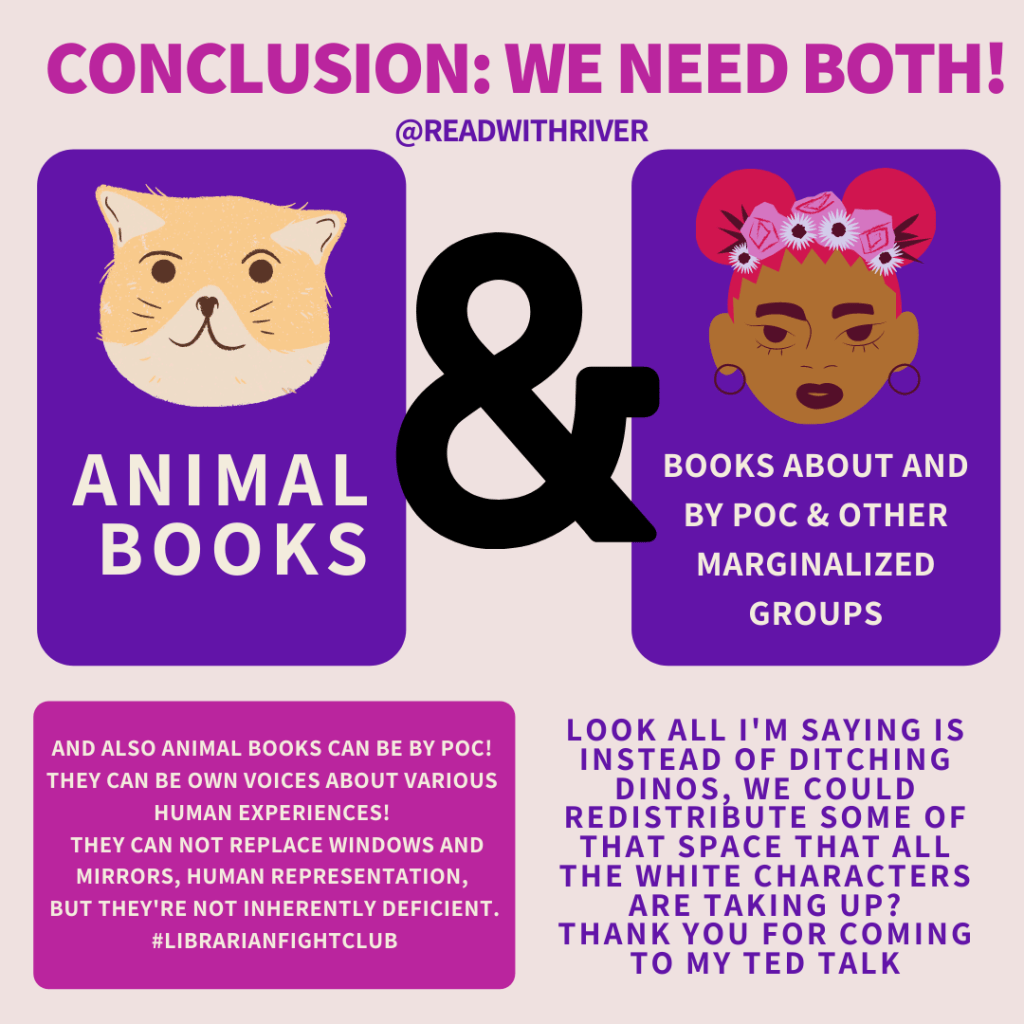
It seems to me that ‘diverse stories’ are more than ever being slotted into a category of books that don’t really need to have a narrative arc and I am concerned about how tenable that is for the continuation of the diversification of children’s literature. If diversity continues to be relegated to books that do not have storylines, then ‘diversity’ may very well prove itself to be a trend that doesn’t work under capitalism, instead of a genuine move to a more just system within children’s publishing. There are only so many books that people can buy that are catalogues of what different children look like accompanied by lists or poems. I am uncertain the market will be able to carry them. Only time will tell.
Forecast for the next few years:
Now, I’m no oracle, but here’s what I think we’re going to see in the next couple of years.
I think we will probably see a continuation for a little while at least of the exceptionally heavy topics, because it’s probably the beginning of the wave and then I suspect it will get very silly (which I’m looking forward to.)
I think we will see a continuation of the trend of maximalism, and I think that there will be a continued preference for the cosy and the comforting. I think we can expect more warm palettes and frogs making stew wearing little jackets. I think that it’s a reaction to these uncertain times and that it will continue for a while.
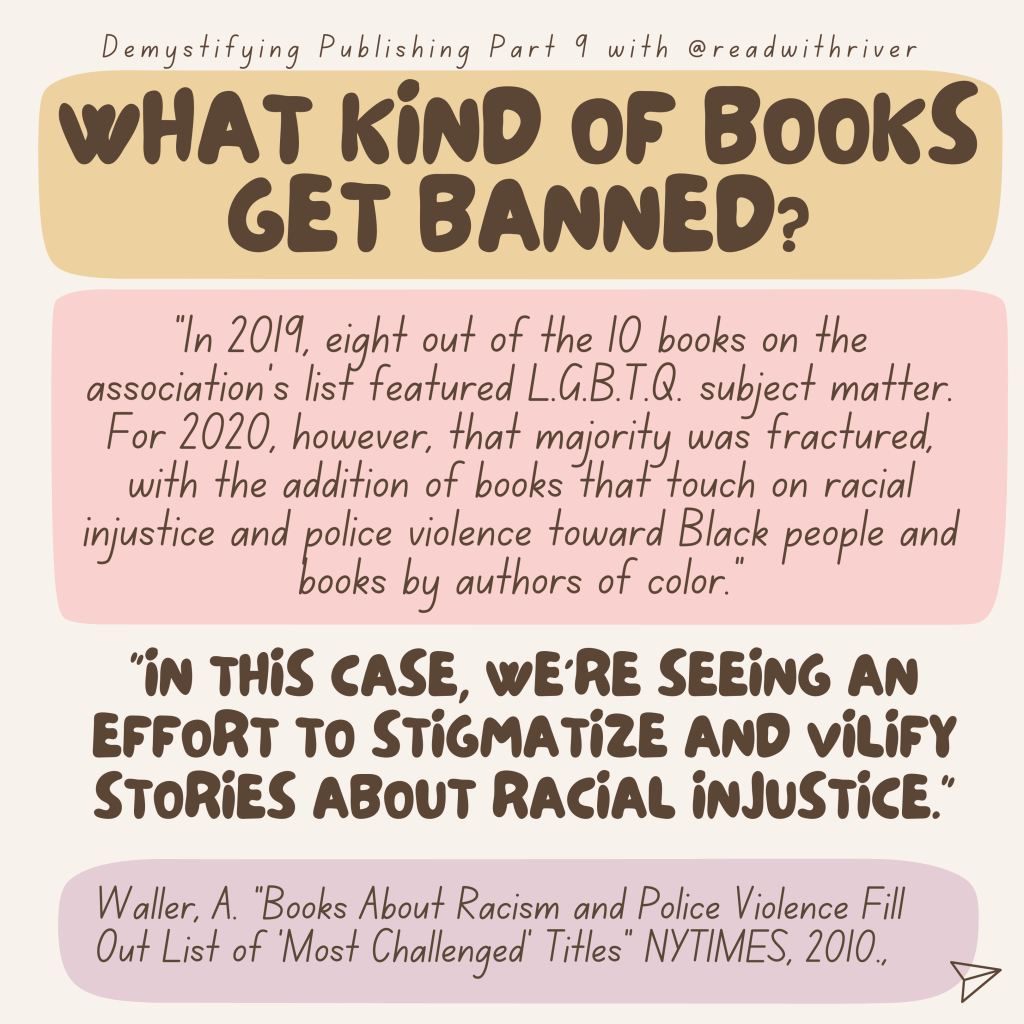
Given the uncertain political climate, I do wonder if we are going to see a decline in efforts to continue to diversify children’s publishing at least for the next five years. Certainly I think a lot more publishers who have been open to representing LGBTQ+ stories and racially minoritized stories may feel discouraged at the risk of losing money. We will have to see how that pans out, and I think that there are a lot of fights to be had in the coming times.
If I could make one request of publishers, for any who are listening, please stop killing dogs unexpectedly. We can’t take it anymore.
A.



























 Read With River