Have you ever wondered why publishers and authors are always publicizing preorder availability? There’s some very practical reasons for it!
Preordering a book that doesn’t arrive for months or years might seem unnecessary but your decision to preorder directly affects the book’s chances of commercial success. 1. Pre-release, preorders signal to publisher there will be interest, and they can adjust print runs to accurately meet demands. THe size of an initial print run announces to the world the confidence the publisher has in a book’s commercial success. The bigger the print run, the more confidence, the more buzz. Under printing can be a huge problem, because often people who cannot find a book in stock when they want it, will forget about it and not come back and buy it later.2. Preorders then build buzz and encourage larger orders from big retailers. The buzz around the book is a great sales point that gets big retailers to make larger initial orders to prepare for consumer demand. This is of course not a good thing if after the fact nobody buys them, because they’ll be returned. But having them ordered and in stock means that they are available and a book has a chance to succeed. 3. Post-release, preorders sales count as part of first week sales. These inflated numbers allow books to launch and climb the rankings onto the bestseller lists which guarantee continued sales. Being on a bestseller list is one of the best things that can happen to a book commercially. People who have never heard of it, and might have never considered buying it, will go out and buy it because it is on this list.4. Support independent Bookshops with guaranteed sale for their stock, helps mitigate risks. Independent bookshops help authors with creating readership and awareness. Preorders are guaranteed sales, and it allows retailers who operate on small profit margins and are risk averse to have a guaranteed sale on a book. Independent bookshops work hard to create opportunities for local authors and illustrators, to help them create buzz and get books out there. Supporting indie bookshops is supporting the culture of books.
Special thanks to the team at Walker Books for answering questions about this issue as well as UK Book Publisher, Editorial director at Andersen Press, Libby Hamilton @LibbyHamHam on Instagram
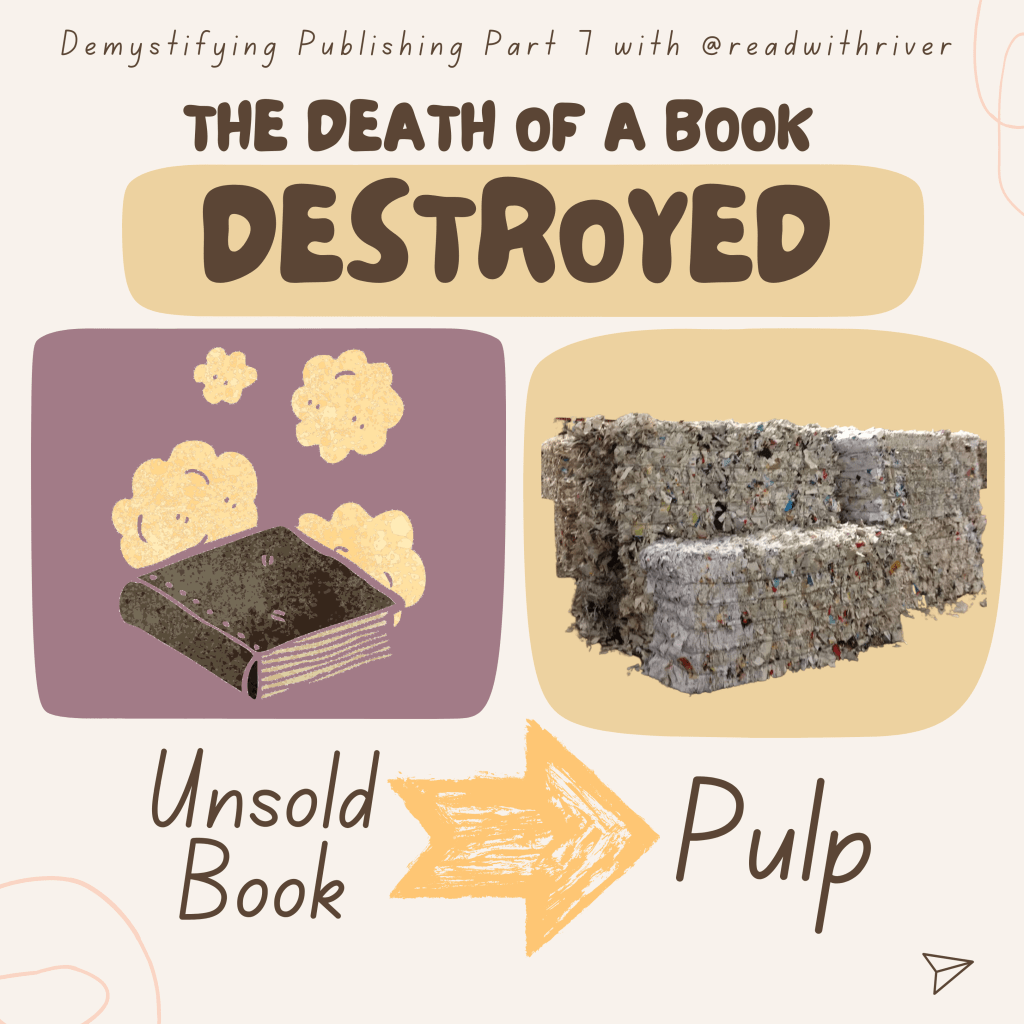
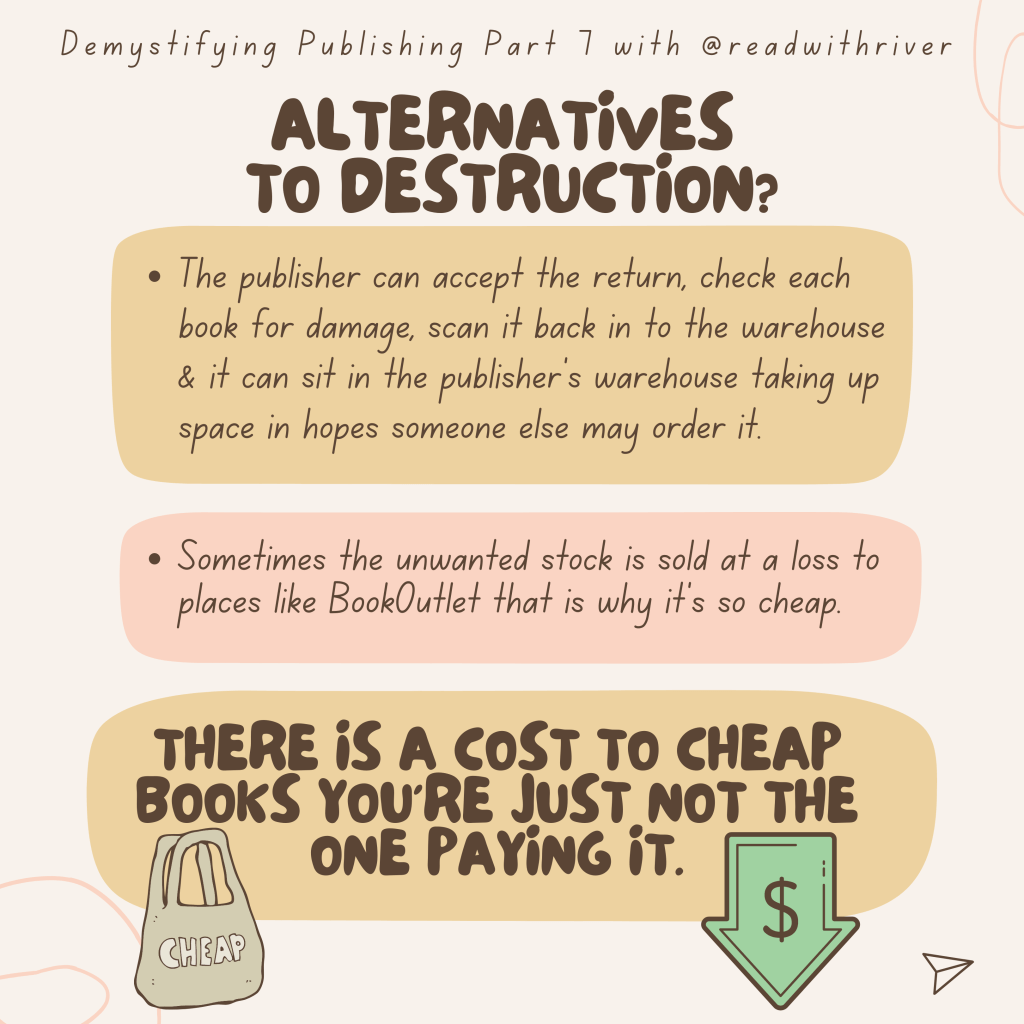
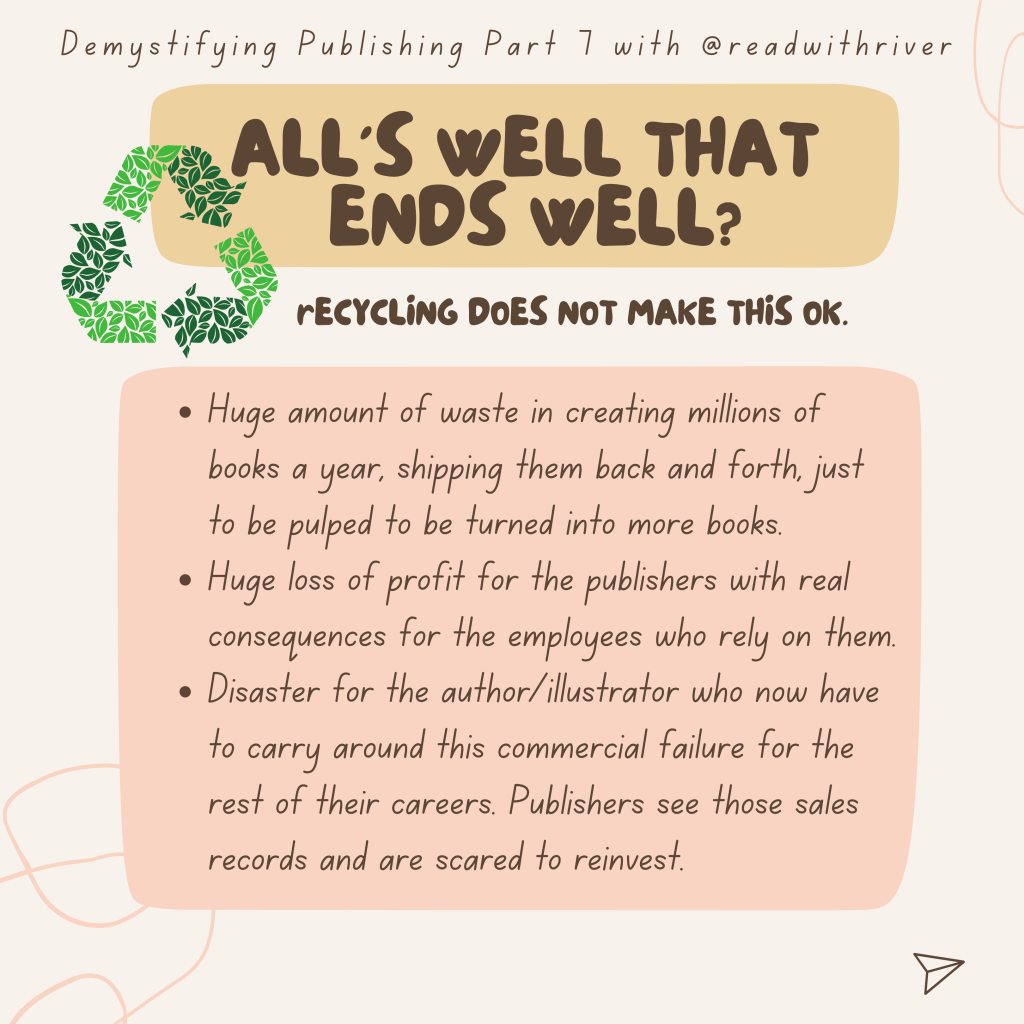
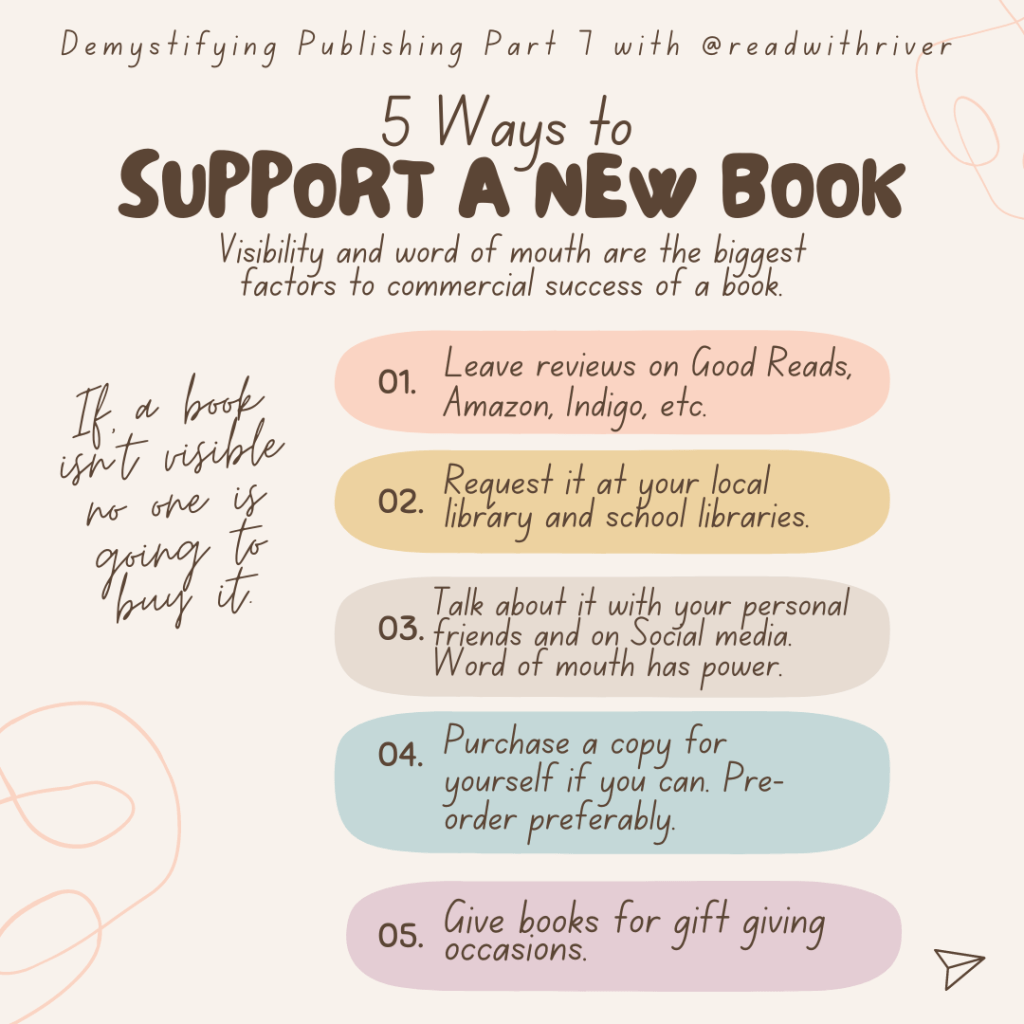
“What Happens to Books that Don’t Sell? It’s Not Good.”Books Shall Gather no Dust. A book launches. Retailers have ordered copies from publishers, the publishers are paid. But what happens if no one buys that book from the retailer? New books can be returned to publishers if they’re not purchased with approx 3-12 months after the launch (depending on the contract.) The window for success or fail is tiny! The Death of a book, Destroyed. Unsold books that are returned to the publisher, are usually immediately sent to be destroyed, turned into a liquid pulp. That pulp is then reused to make other things, most notably pulp fiction books. Alternatives to Destruction? The publisher can accept the return, check each book for damage, scan it back into the warehouse and it can sit in the publisher’s warehouse taking up space in hopes someone else may order it. But this is costly, and wasteful compared to pulping. Sometimes the unwanted stock is sold at a loss to places like BookOutlet (which is why their prices are so cheap!) There is a cost to cheap books, you the consumer however are just not the ones paying it. The publisher, author, and all of the people involved with the book are the ones to pay.The History of Pulping: A long history of returns. As early as the 17th century book publishers were ripping apart pieces of unsold books to create new books. To this day the pulp from destroyed books is used to create paper to…MAKE MORE BOOKS!All’s well that ends well? Recycling does not make this okay. Huge amounts of waste in creating millions of books a year, shipping them back and forth, just to be pulped to be turned into more books. Huge loss of profit for the publishers with real consequences for the employees who rely on them. Disaster for the author/illustrator who now have to carry around this commercial failure for the rest of their careers. Publishers see those sales records and are scared to reinvest.5 Ways to Support a New Book! Visibility and word of mouth are the biggest factors to commercial success of a book. If a book isn’t visible no one is going to buy it. 1. Leave reviews on Good Reads, Amazon, Indigo, etc. 2. Request it at your local library and school libraries. 3. Talk about it with your personal friends and on Social Media. Word of mouth has power. 4. Purchase a copy for yourself if you can, Pre-order preferably. 5. Give books for gift giving occasions.
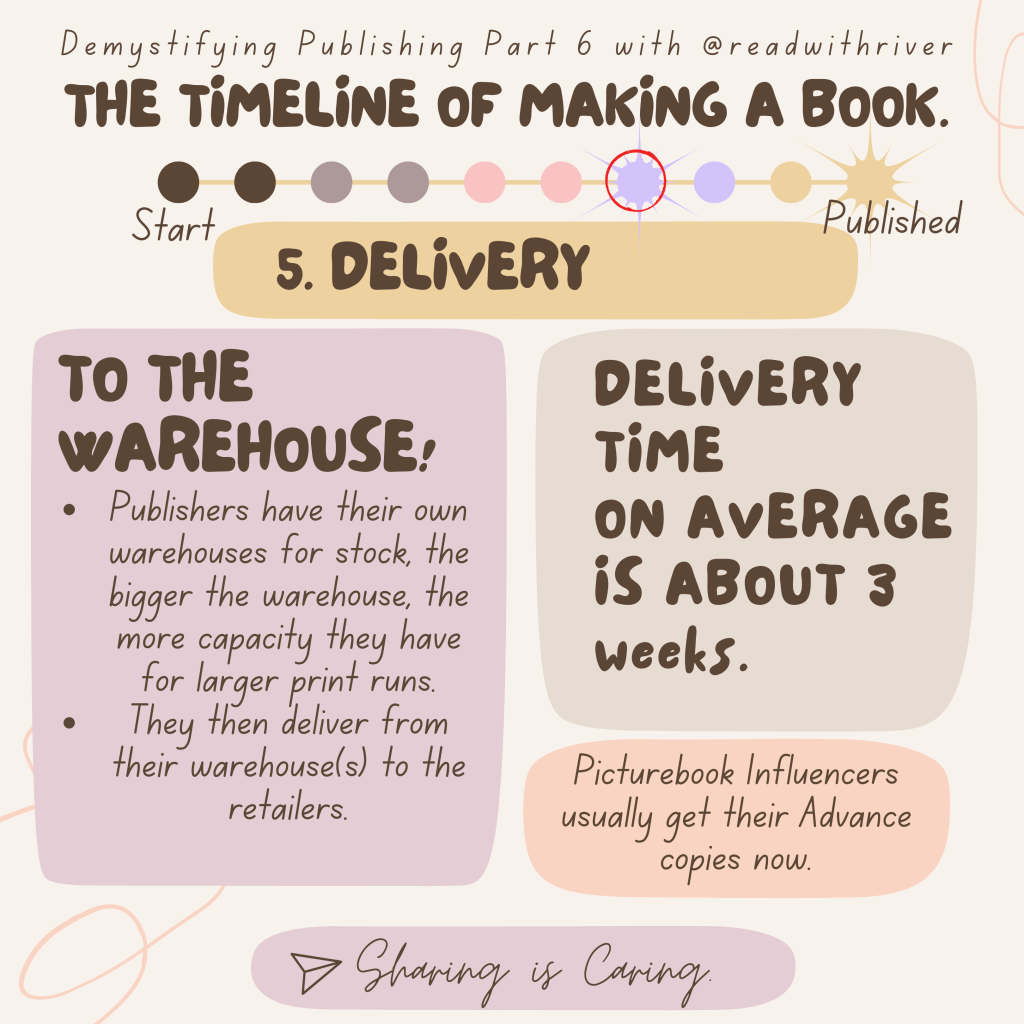
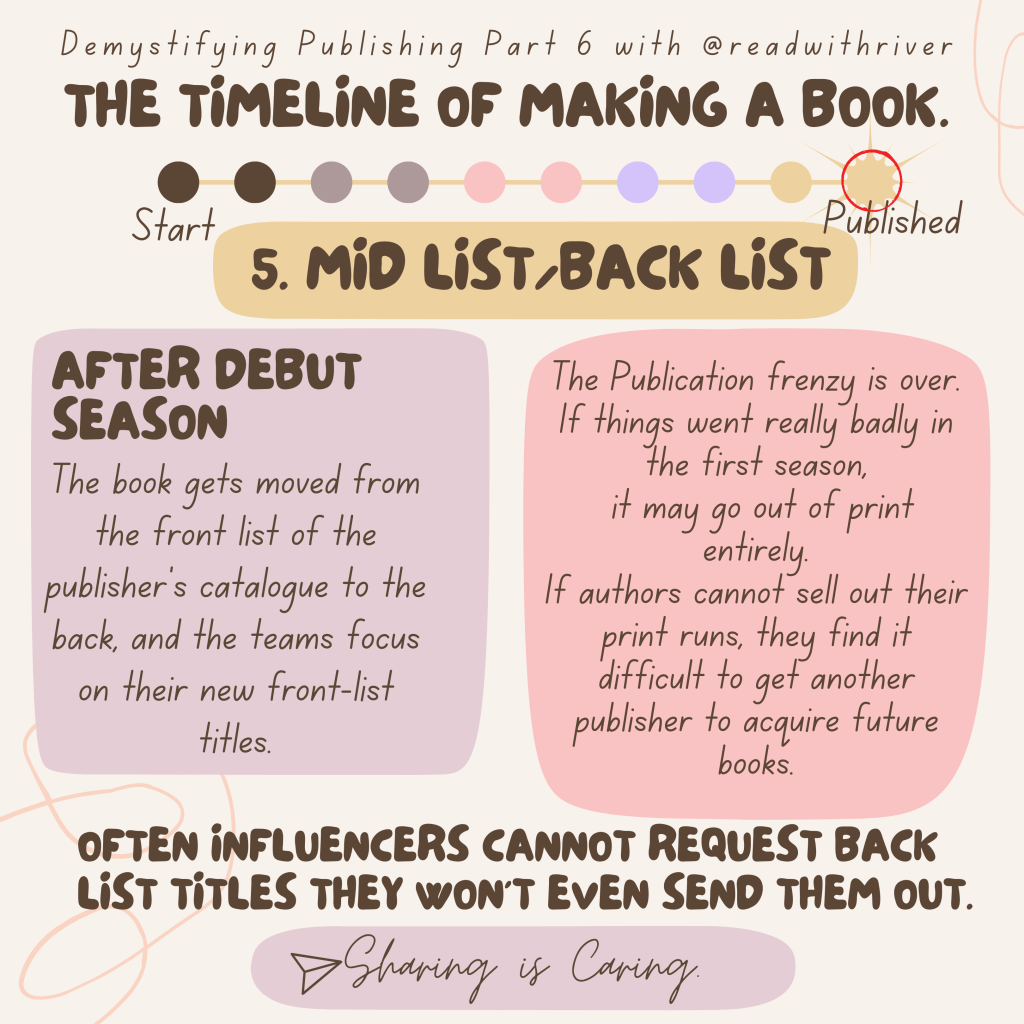
The amount of time it takes to put out a book can vary wildly in the traditional publishing industry. This is dependent on a number of factors, for example books without pictures do not require illustration and can be put out fairly quickly. Where as in some cases a book can take over two years between acquisition and actual publication.The starting point here is the acquisition of the book, so when the publisher makes the decision to purchase a text. A meeting is held of all departments and if the okay is given, then negotiations begin between the author/agent and the publisher. Eventually contracts are signed (At this point the author/agent receive part of their Advance) and announcements are made.Next comes first round of edits and design decisions. For picture books that means choosing an illustrator and them getting to work. For non picture books that means cover and text design. The illustration process can take up to a year, and some illustrations require more time consuming labour than others.MORE EDITING> While sales does the sell-in.Printing and Binding, and Sales.Delivery to warehouses, and then to retailers.Promotion, marketing, publicity, and sales.Debut!After debut season is over, the book no longer receives the same publicity and marketing push as it did in it’s debut. Unless it was highly successful








 Read With River